
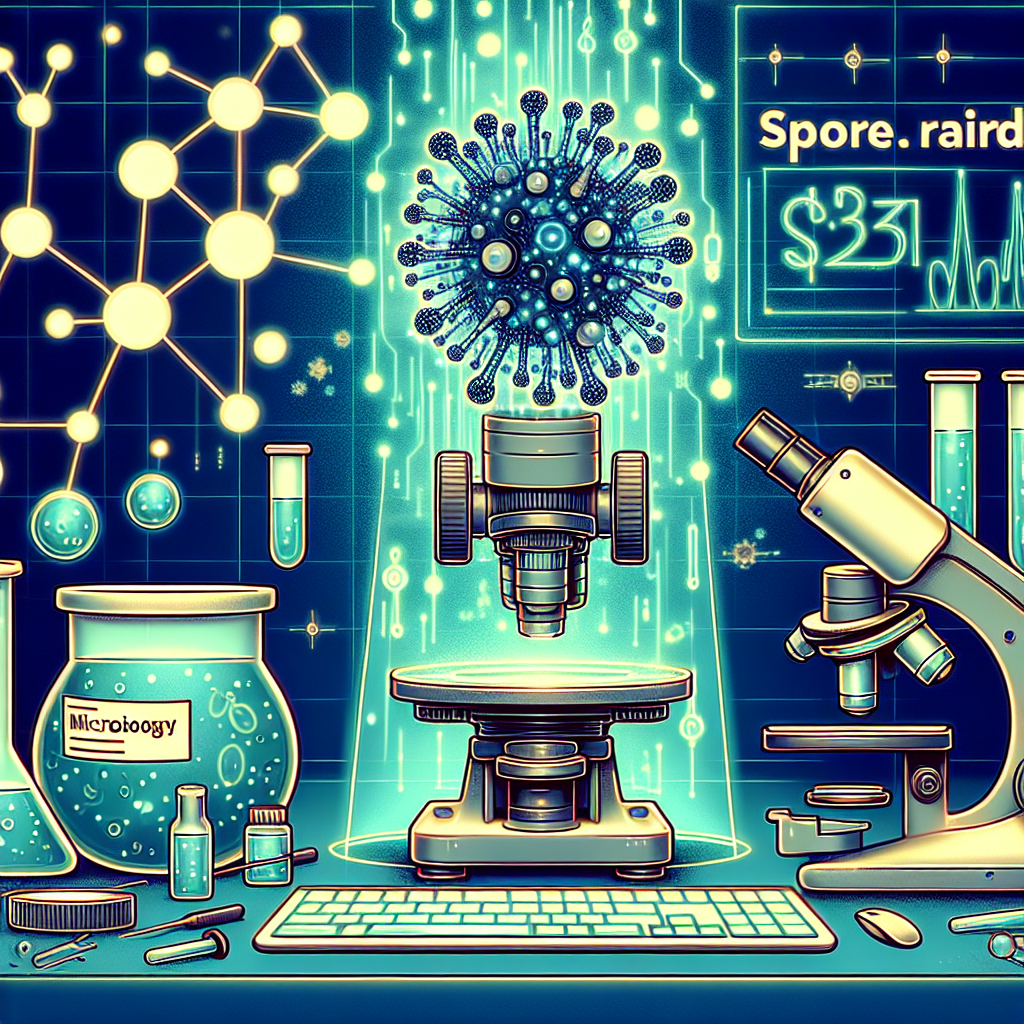
Spore.Bio: Revolutionizing Microbiology Testing with a $23M Boost from Machine Learning
In the ever-evolving realm of biotechnology, breakthroughs are foundational to advancing medical and scientific research. A new dawn is unfolding as Spore.Bio, a rising star in microbiology testing, has secured $23 million to innovate and streamline processes using machine learning (ML). This cutting-edge convergence of ML and microbiology is set to revolutionize how we understand and tackle microbial ecosystems, offering significant insights and practical applications. But what does this mean for the industry and, more importantly, for you? Dive in as we decode the implications of Spore.Bio’s latest funding achievement and its vast potential.
The Significance of Microbiology in Modern-Day Science
Understanding the Microbiome
Microbiology is more critical than ever before, influencing diverse areas from health care to environmental conservation. The ability to fully understand and interact with the microbiome–the collection of microorganisms in a particular environment–is pivotal for:
- Healthcare: Enhancing diagnostic capabilities and creating personalized treatments.
- Agriculture: Developing sustainable practices and bio-friendly fertilizers.
- Environmental Studies: Monitoring ecosystem health and biodiversity.
Spore.Bio’s advance in this field is not just beneficial but necessary as microbiomes hold many mysteries that once unlocked, can propel numerous scientific fields forward.
Spore.Bio: A Visionary in Microbial Diagnostics
Foundational Goals and Mission
Founded with a mission to leapfrog conventional methods, Spore.Bio aims to:
- Reduce diagnostic timelines from weeks to mere days.
- Lower costs associated with microbiological tests.
- Enable more accurate and comprehensive analyses.
Their recent funding victory indicates strong industry confidence and fervent anticipation towards fulfilling these goals.
How Machine Learning Transforms Microbiology Testing
The Intersection of Data Science and Microbiology
The use of machine learning in microbiology represents a profound shift in testing capabilities. Here’s how:
- Automated Analysis: ML algorithms can sift through vast datasets generated by microbial samples, offering rapid insights without human bias.
- Predictive Diagnostics: Accurately predict microbial behaviors and resistance patterns that would be impractical through human analysis alone.
The integration of ML is helping to shorten the distance between sample collection and actionable insights, allowing for prompt clinical or environmental interventions.
The $23M Funding: A Breakdown
Strategic Investments and Their Implications
The recent financial backing of Spore.Bio highlights the following strategic areas of interest:
- Technology Development: A significant portion will bolster R&D, focusing on enhancing algorithms and refining testing protocols.
- Talent Acquisition: Assembling a team of top-tier data scientists and microbiologists ensures the firm’s competitive edge over traditional practitioners.
- Market Expansion: Inroads into new industries and markets worldwide, fostering partnerships that cement their technologies as a cornerstone in microbiological testing.
This capital injection is set to catapult Spore.Bio into a leading position, further augmented by their innovative prospects in ML.
Potential Impact on Global Health and Industries
Healthcare Reimagined
With faster and more precise diagnostics, healthcare systems can see:
- Swift Response Times: Outbreaks and infections can be mitigated sooner, saving lives and costs.
- Personalized Medicine: Targeted therapies based on individual microbiomes become feasible, increasing treatment efficacy.
Environmental and Agricultural Benefits
In agriculture and ecology, the possibilities include:
- Sustainable Practices: Optimizing the use of natural fertilizers and pest control based on microbial data.
- Conservation Efforts: Better management of biodiversity through fine-tuned ecological assessments.
Spore.Bio’s impact transcends revenues and research; it’s about enhancing global health and sustainability.
Challenges and Future Prospects
Navigating Limitations
Despite the promising outlook, there are inherent challenges, such as:
- Data Privacy: Handling sensitive biological data with utmost care to avoid breaches.
- Integration: Ensuring seamless tech integration across various existing platforms and industries.
Bridging the Gap
Looking ahead, Spore.Bio is tasked with the continued evolution of its ML models. This requires:
- Regular updates and iterations in algorithms.
- Expanding industrial collaborations to ensure diverse data inputs and outputs.
Conclusion
The successful $23M funding round for Spore.Bio is a monumental step in transforming microbiology testing as we know it. By elevating the role of machine learning within this vital scientific domain, Spore.Bio is not just enhancing the accuracy and speed of microbiology testing but is also setting a new standard for what is achievable.
Spore.Bio’s journey ushers in an exciting era of innovation, promising significant advancements across multiple sectors, from healthcare to environmental stewardship. As they continue to break ground and redefine possibilities, stakeholders and onlookers alike anticipate the tangible and transformative impacts to follow.