
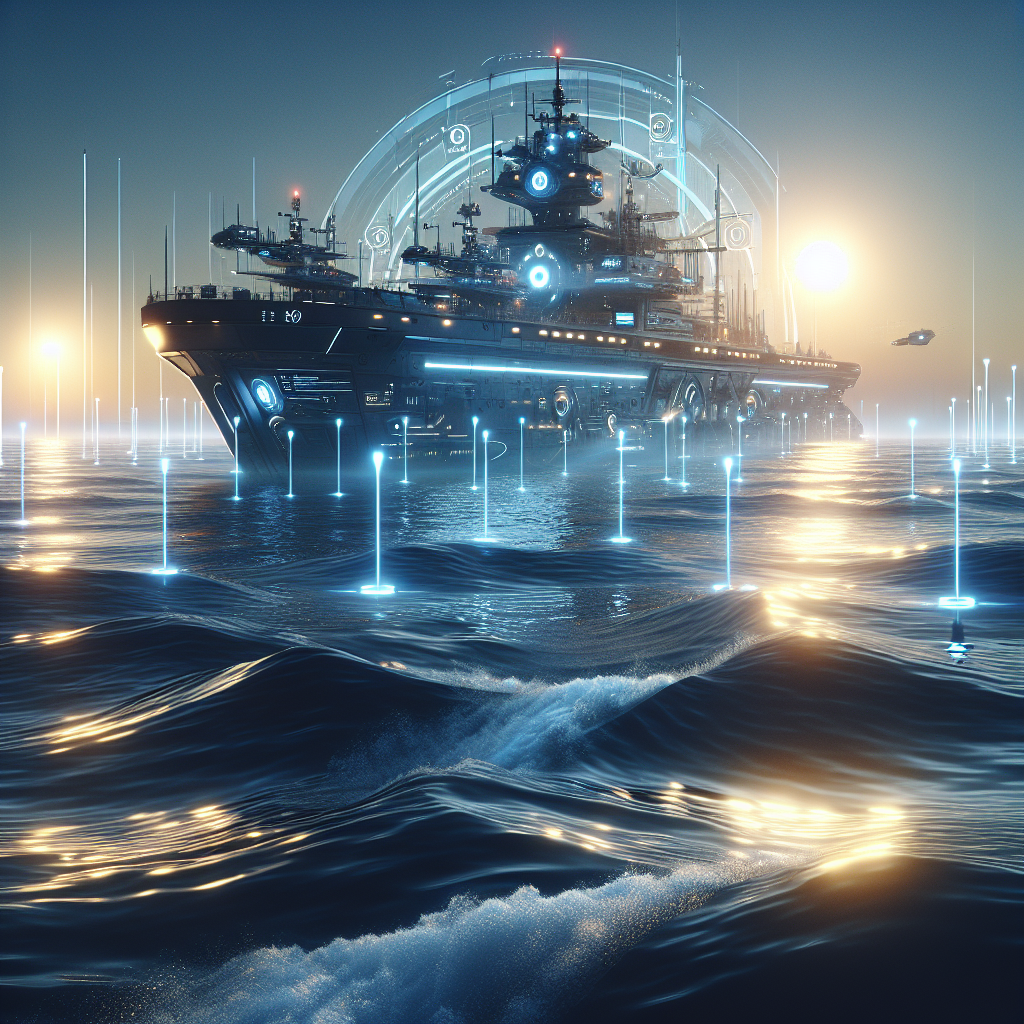
Saronic’s $600M Investment: Steering Toward the Future of Autonomous Warships
The maritime world stands on the brink of a significant transformation with Saronic’s monumental $600 million investment earmarked for the mass production of autonomous warships. As these intelligent vessels prepare to navigate the seas, the implications for national security, marine science, and technological advancements are profound. In this article, we delve into the various dimensions of this groundbreaking development.
The Rise of Autonomous Warships: A New Era in Maritime Defense
Autonomous warships represent a radical shift in naval operations. Unlike traditional vessels that require large crews to operate, these ships are designed to perform complex tasks with minimal human intervention. The benefits are numerous:
- Reduced Risk to Human Life: By automating operations, militaries can conduct missions without putting sailors in harm’s way.
- Cost Efficiency: Less human resource allocation translates to lower operational costs.
- Enhanced Capabilities: Autonomous warships can be outfitted with state-of-the-art technology, allowing for faster and more precise operations.
Understanding Saronic’s Vision
Saronic, a leader in maritime technology, has recognized the potential of autonomous vessels not just for military use but also for broad applications including commercial shipping, exploration, and rescue missions. With this $600 million funding, Saronic aims to:
- Accelerate Production: Scaling the manufacturing process to meet global demand.
- Research and Development: Invest in cutting-edge AI and sensor technology to improve the efficacy and safety of these vessels.
- Collaborate Internationally: Partner with governments and defense contractors worldwide to standardize and implement these technologies.
The Technological Backbone of Autonomous Warships
At the heart of these warships lie hybrid systems of artificial intelligence, robust sensor arrays, and adaptive navigation software. Understanding these components provides insight into their capabilities:
Artificial Intelligence and Machine Learning
- Adaptive Algorithms: These algorithms enable ships to make decisions based on real-time data, ensuring responsive maneuvers in complex environments.
- Predictive Maintenance: AI predicts mechanical issues before they become critical, thereby minimizing downtime and extending the lifespan of the vessel.
Advanced Sensor Integration
- LIDAR and Radar Systems: For obstacle detection and collision avoidance, ensuring safe passage through populated sea lanes.
- Environmental Sensors: Monitor sea conditions, weather patterns, and potential threats, providing a comprehensive situational awareness.
Navigational Technologies
- GPS and Satellite Communication: Facilitates precise tracking and coordination, allowing for synchronized operations over vast distances.
- Autonomous Navigation Systems: These systems enable ships to chart courses and adjust paths dynamically, reacting to navigational challenges seamlessly.
The Global Implications of Mass-Producing Autonomous Warships
Saronic’s ambitious initiative could have worldwide repercussions, not just within the maritime domain but extending into geopolitical, economic, and environmental areas.
Geopolitical Ramifications
- Shift in Maritime Power Dynamics: Countries with autonomous fleets could redefine naval supremacy, altering global power structures.
- International Maritime Law: The presence of unmanned vessels necessitates the reevaluation of maritime laws to address rights, responsibilities, and conflict resolution.
Economic Impact
- Job Market Transformation: While these vessels could diminish traditional maritime roles, they also create demand for tech-savvy operators, programmers, and maintenance specialists.
- Security and Stability: Autonomous ships may improve the security of maritime trade routes, fostering global commerce.
Environmental Considerations
- Emission Reduction: Energy-efficient designs and optimized travel paths can reduce the carbon footprint of naval operations.
- Ecosystem Monitoring: Deployed for scientific research, these ships could contribute to understanding oceanographic changes, aiding conservation efforts.
Challenges and Concerns Facing Autonomous Naval Technology
Despite its potential, the journey toward autonomous warships is fraught with obstacles:
Technological Hurdles
- Cybersecurity Threats: Autonomous systems are vulnerable to hacking, necessitating robust security protocols.
- Software Reliability: Ensuring the flawless operation of software is crucial to avoid malfunctions that could lead to catastrophic failures.
Ethical and Social Implications
- Autonomy in Warfare: The ability of unmanned vessels to engage in combat raises ethical questions about accountability and decision-making in military operations.
- Public Perception: Gaining societal acceptance requires transparent operations and addressing concerns about job displacement and safety.
The Road Ahead: Saronic’s Plan for Integration and Growth
Saronic’s roadmap involves gradual integration of autonomous warships into naval fleets, supported by rigorous testing and validation. Future goals include:
- Enhanced AI Training: Deploying advanced machine learning models to refine decision-making capabilities.
- Test Missions: Trials in controlled environments to evaluate performance, reliability, and safety.
- Expansion into Civil Sectors: Exploring applications beyond military use, such as autonomous cargo and passenger transport.
Conclusion: Navigating Towards Uncharted Waters
Saronic’s ambitious endeavor to mass-produce autonomous warships marks a pivotal chapter in maritime history. While challenges remain, the potential benefits offer a compelling case for investment and innovation. As the technology matures, it holds the promise of revolutionizing how we approach the unexplored realms of naval defense, trade, and exploration.
This transformative project not only showcases the relentless march of technology but underscores the power of vision and bold ventures in shaping our collective future. Whether you’re a technology enthusiast, maritime professional, or global strategist, the era of autonomous warships is a development worth watching closely—one that could redefine the foundations of naval power and economic prosperity for generations to come.