
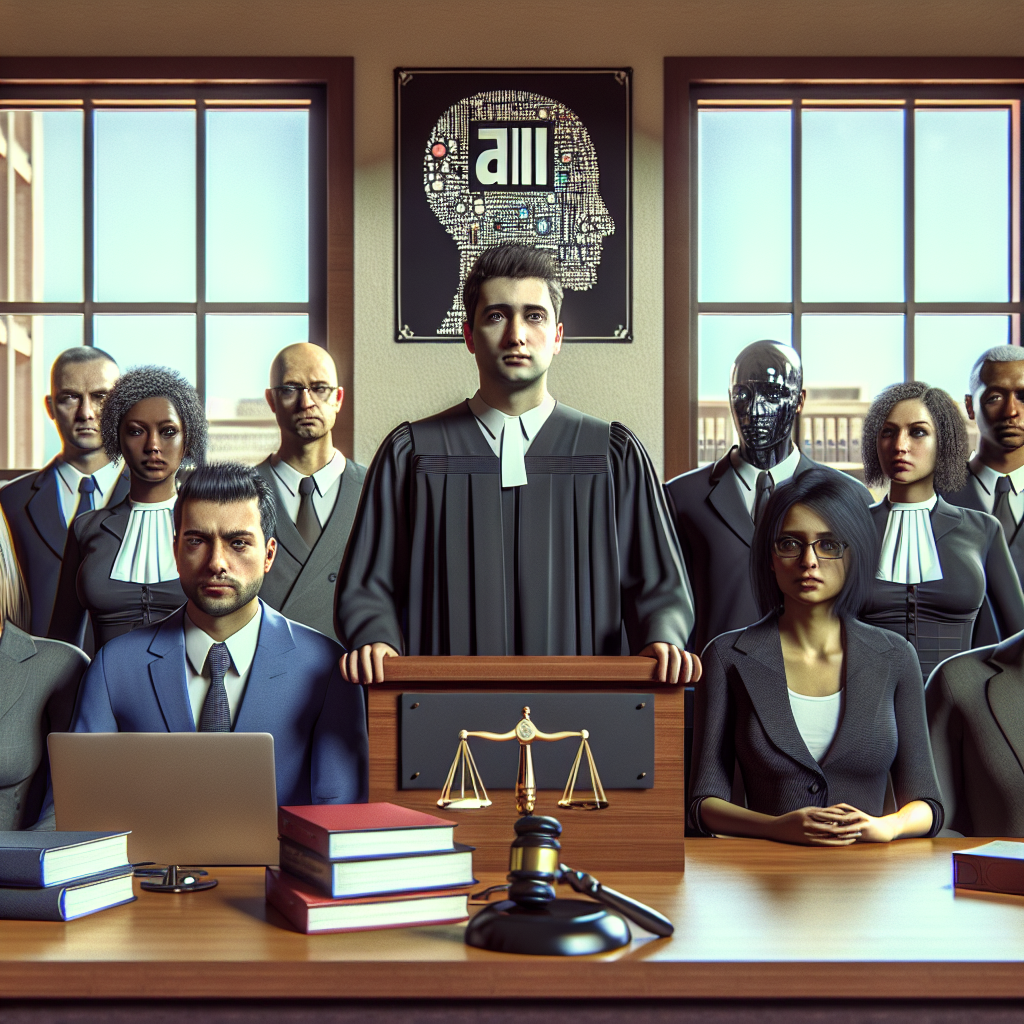
Publishers Take Legal Action Against AI Startup Cohere Over Copyright Claims
In an era where artificial intelligence is rapidly transforming content creation, a legal storm is brewing in the tech industry. The shockwave was felt when major publishers decided to sue AI startup Cohere over allegations of copyright infringement, which presents a significant case juxtaposing innovation with intellectual property rights. This article will delve into the intricate details of the lawsuit, explore the legalities of AI-generated content, and assess what this means for the future of both tech startups and copyright holders.
Understanding The Allegations Against Cohere
The Rise of Generative AI
Generative AI, which powers content generation models like the ones developed by Cohere, has created a paradigm shift in how content is produced and consumed. These models can generate an astounding amount of text, mimicking human-like writing, ideas, and even art.
However, with this rapid advancement comes the predicament of determining the boundaries of copyright. It raises pertinent questions: When an AI-generated text closely resembles pre-existing works, at what point does it infringe on someone’s intellectual property?
The Core Claims of the Lawsuit
The lawsuit against Cohere accuses the startup of utilizing copyrighted materials without appropriate consent for training their AI models. Publishers assert that their works have been ingested into these models, and the AI’s ability to replicate similar content poses a threat to their copyright.
Key allegations include:
- Use of copyrighted literary material in model training data.
- Profit generation from the trained AI models that replicate copyrighted content.
- Potential market displacement as AI-generated content replaces human-written works.
What is Copyright Infringement?
Basics of Copyright
Copyright is a legal concept that grants the author of original work exclusive rights to its use and distribution. This encompasses the right to reproduce, distribute, perform, display or license the work, and to prevent others from doing so without permission.
Copyright in the Context of AI
Using copyrighted material to train AI systems presents an unexplored grey area. Traditionally, copyright primarily addresses human infringements. But with AI being neither human nor sentient, the question arises as to who is responsible when AI reproduces copyrighted work.
-
Fair Use: A pivotal argument often defended by AI companies is the doctrine of ‘fair use’. Companies claim the data is used transformatively, resulting in new, different insights rather than verbatim replication.
- Model Training Fairness: How does one equate AI learning processes with direct infringement? If AI merely ‘learns’ and models behaviors instead of directly copying, does it still infringe copyright?
Implications of The Lawsuit
For AI Development
If the plaintiffs win this case, it could set precedence with far-reaching consequences for the AI sector.
Impact on R&D:
- AI companies may face restrictions in the data used for training models.
- A potential reshaping of the data acquisition policies and techniques may occur, impacting the speed and scope of AI research and development.
For Publishers
Publishers stand to protect their intellectual property, ensuring they are fairly compensated for use in AI training or otherwise.
Transformation in Licensing:
- Increased discussions about the need to license content usage for AI training.
- Potential for new revenue streams if publishers capitalize on licensing their content.
Legal and Ethical Paradigms
This lawsuit highlights the emergent need to evolve legal frameworks around AI technologies.
- Regulatory Oversight: Better regulatory principles may be crafted to guide fair conduct in AI deployment.
- Ethical Considerations: Encouragement of ethical AI training methodologies that respect intellectual property rights.
Perspectives From The Industry
Tech Leaders’ Stance
Some AI trailblazers agree that while innovation is essential, it should not trample on others’ rights. They call for a balanced approach integrating robust AI advancement while honoring intellectual property laws.
View From IP Lawyers
Intellectual property lawyers perceive these cases as just the beginning of more complex legal challenges to come with AI advancements. They urge for collaborative efforts among tech companies, legal experts, and regulators.
The Future of AI and Copyright
Redefining AI Training Practices
With lawsuits like this on the rise, AI companies are likely to innovate around data usage, ensuring they fall within the legal boundaries. We might see:
- Synthetic Data Use: Increased reliance on synthetic data that AI can generate without direct reliance on copyrighted content.
- Advanced Fair Use Policies: Stricter adherence to fair use doctrines ensuring broad, non-infringing use of data.
Conclusion: Bridging The Gap
The Cohere lawsuit serves as a clarion call for the tech industry to navigate responsibly and collaboratively with copyright holders. While the result of this lawsuit remains to be seen, it symbolizes the start of bridging traditional intellectual property norms with frontier technologies. As we edge closer to a digital future, such cases will inevitably dictate how AI can be leveraged ethically and legally to its fullest potential.
In conclusion, the clash between AI startups and traditional publishers was perhaps inevitable. How this lawsuit unfolds may redefine the contours of how AI companies operationalize, setting benchmarks that could form the backbone of future technological and legal frameworks. Whether the tech industry can innovate while respecting copyright norms is the challenge ahead—one that stakeholders cannot afford to ignore.