
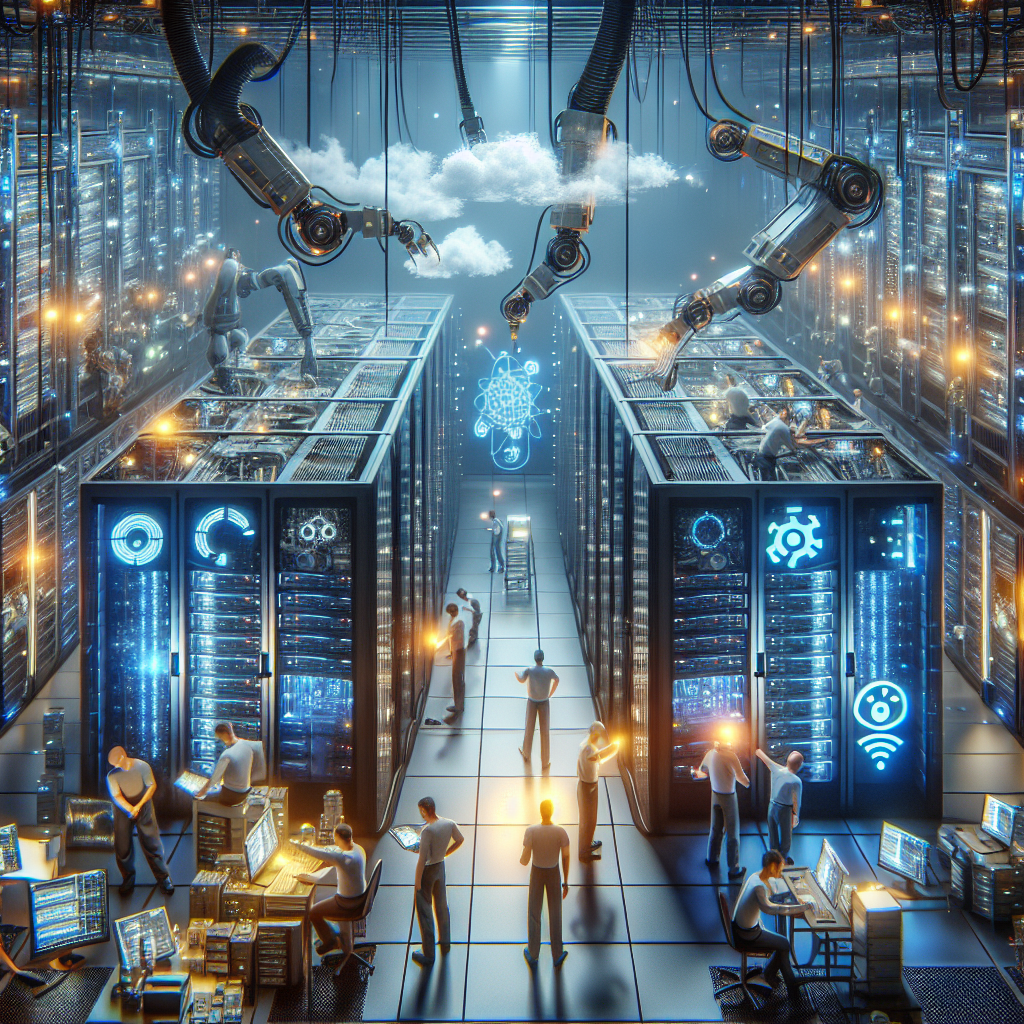
Unleashing the Power Within: How Data Center Tweaks Could Unlock 76 GW of New Power Capacity in the U.S.
In an era where digital transformation is rapidly evolving and dependence on data centers is skyrocketing, finding innovative ways to optimize power usage is more critical than ever. As the need for energy-efficient and sustainable tech solutions increases, experts suggest that minor adjustments and strategic tweaks in data centers across the U.S. could potentially unlock an impressive 76 gigawatts (GW) of new power capacity. But how can these tweaks be achieved, and what implications might they have on the data industry and broader energy ecosystem? This comprehensive article dives deep into the topic, exploring the potential of power capacity optimization in U.S. data centers.
Understanding the Power Capacity Potential in U.S. Data Centers
The Growing Demand for Data Centers
Data centers have become the backbone of today’s digital economy. They facilitate everything from online communications and cloud storage to streaming services and enterprise-grade applications. As more data is generated and stored online, the demand for data center capacity continues to surge.
- Statistics and Projections:
- The global data center market size is anticipated to reach USD 343.6 billion by 2024.
- The U.S. alone houses over 2,500 major data centers.
- Energy Consumption Concerns:
- Data centers are notorious for their high power consumption, with global data centers consuming around 200 terawatt-hours (TWh) of electricity annually.
Current Power Utilization vs. Potential Capacity
Despite their energy consumption, many U.S. data centers are not fully utilizing their power capacity. Unlocking the 76 GW potential could significantly bolster the energy efficiency of these infrastructures without the need for new power plants or additional power grid infrastructure.
- Idle Capacity: Many servers operate inefficiently, often underutilized, consuming power while offering little in return.
- Potential Gains: By optimizing server workload distribution and enhancing energy management protocols, a substantial increase in power capacity can be accomplished.
Strategies for Unlocking Latent Power Capacity in Data Centers
To harness the untapped power capacity in U.S. data centers, specific strategies and technical adjustments can be deployed. These are not just theoretical but have been proven effective in various data-centric enterprises.
Enhancing Server Utilization
Maximizing Server Efficiency:
- Load balancing technologies can be deployed to ensure optimal usage of available servers.
- Virtualization techniques can significantly increase the server utilization rates by allowing multiple operating systems to run concurrently on a single physical server, hence improving processing capabilities and reducing idle time.
Adopting Advanced Cooling:
- Improved cooling systems, such as liquid cooling and free-air cooling, help manage thermal output more efficiently, reducing energy consumption needed for air conditioning.
- Using renewable energy sources for cooling tasks can further diminish the carbon footprint of data centers.
Embracing Renewable Energy and Sustainable Practices
Green Energy Integration:
- Solar panels and wind turbines can be installed on-site to supply renewable energy directly to data centers.
- Purchasing renewable energy credits can offset a data center’s carbon emissions.
Energy-Efficiency Standards:
- Implementation of energy-efficient standards such as LEED certification and Energy Star ratings for data center equipment and infrastructure.
- Conducting regular energy audits to identify and rectify inefficiencies.
Implementing Intelligent Automation
AI and Machine Learning:
- Utilizing AI to analyze and predict energy load requirements, achieving balanced power distribution.
- Machine learning tools can automate routine tasks, optimize resource allocation, and minimize energy wastage.
Demand Response Programs:
- Involving data centers in demand response programs that adjust power consumption during peak periods, thereby reducing strain on the power grid.
The Broader Implications of Unlocking Data Center Power Capacity
Optimizing power use in data centers is not just about improving efficiency — it’s also about transforming the energy landscape of the U.S. and setting a precedent for global tech sustainability.
Environmental Impact
By reducing the energy consumption of data centers, these tweaks directly translate to lower greenhouse gas emissions. This move is in harmony with the global push toward achieving net-zero emissions and combating climate change.
Socio-Economic Benefits
- Cost Savings: Lower energy use results in decreased operational costs, translating to greater savings and financial viability for businesses.
- Job Creation: The shift towards energy efficiency could open up opportunities in green technology sectors, fostering job creation and economic development.
A Roadmap for Global Adoption
The successful optimization of U.S. data centers can serve as a case study for global markets, driving international efforts towards more sustainable practices in the tech industry. By showcasing the impact and benefits, companies worldwide might be encouraged to adopt similar changes, leading to a greener technology future.
Conclusion: The Power of Possibility
The potential to unlock up to 76 GW of power capacity in U.S. data centers isn’t just a possibility—it’s a call to action for the industry. By implementing strategic tweaks and embracing innovative energy solutions, data centers can not only meet current demands but also pave the way for sustainable technological progress. The journey toward power optimization in data centers might seem complex, but the rewards are poised to be bountiful, heralding a new era of efficiency and sustainability in the digital age.