
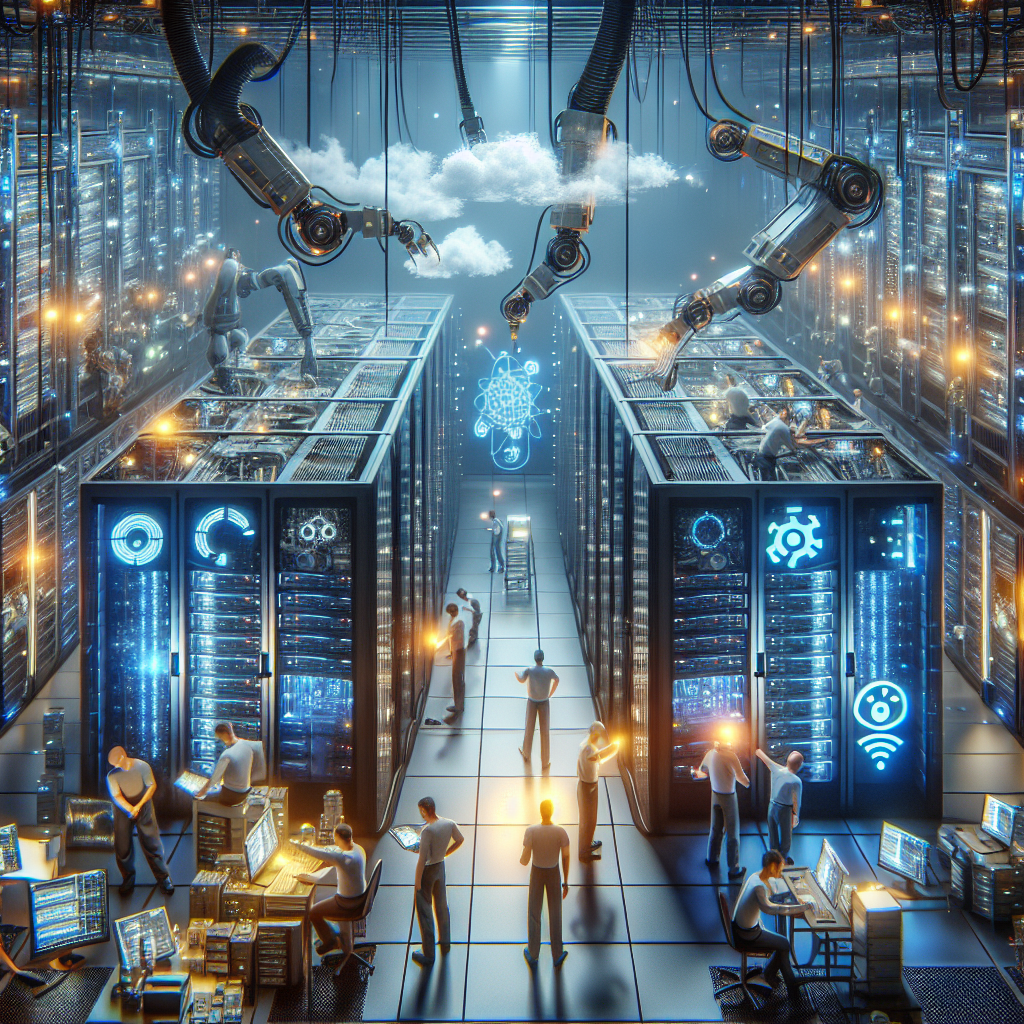
Unleashing Hidden Power: How Data Center Tweaks Could Unlock 76 GW of New Power Capacity in the U.S.
In an era where technology is at the forefront of our daily lives, data centers have become the unsung heroes, silently powering an immense array of digital activities. From streaming your favorite shows to facilitating remote work, data centers are the digital backbone of modern society. Yet, as the demand for data continues to surge, these facilities face escalating challenges associated with power consumption and capacity. Surprisingly, through strategic tweaks and optimizations, data centers could potentially unlock a staggering 76 gigawatts (GW) of new power capacity in the U.S.
Understanding the Rising Demand of Data Centers
The digital age has ushered in a seismic shift toward data-centric activities, leading to an explosive growth in data center construction and operation. Consequently, the rising demand for energy to power these centers has become a pressing issue.
The Digital Surge
- Increase in Internet Usage: With the advent of cloud computing and IoT, even the most basic online interactions contribute to the demands on data centers.
- Emerging Technologies: Advancements such as artificial intelligence, virtual reality, and blockchain technologies are data-intensive and increase power requirements.
- Remote Work & Digital Streaming: The global shift towards remote work and entertainment streaming has significantly contributed to the higher load on data centers.
Current Energy Consumption Rates
According to the U.S. Department of Energy, data centers now represent about 2% of the total electricity consumption in the United States—an amount equivalent to the consumption of 6.4 million American households.
The Power Potential: 76 GW of New Capacity
Recognizing the untapped potential within existing infrastructure offers a promising solution. If data centers are optimized for efficiency, it is projected that 76 GW of new power capacity could be unlocked across the United States.
Energy Efficiency Improvements
- Upgrading HVAC Systems: Implementing more efficient cooling systems can significantly reduce energy consumption.
- Server Optimization: Replacing old servers with new, energy-efficient models can lower power needs.
- Improved Power Distribution: Maximizing the use of current electrical systems can alleviate unnecessary energy wastage.
The Role of Renewable Resources
- Solar Power: Incorporating solar panels can provide supplementary power, reducing dependence on traditional electricity grids.
- Wind Energy: Utilizing wind energy can diversify power sources and diminish carbon footprints.
By focusing on these improvements, data centers can not only reduce their environmental impact but also expand their power capacity to meet rising demands.
Challenges in Unlocking New Power Capacity
While the benefits are clear, certain challenges need addressing to unlock these new power capacities effectively.
Financial Constraints
- Initial Investment: Upgrading systems and infrastructure requires significant upfront costs, which can be a barrier for smaller data centers.
- Return on Investment (ROI): The long-term savings may not be immediately apparent, making it a less attractive option for some operators.
Technological Barriers
- Integration Complexity: Incorporating renewable energy sources and advanced cooling systems into existing infrastructures can be technically demanding.
- Rapid Technological Advancements: Technology evolves rapidly, and constant upgrades may be necessary to ensure continued energy efficiency.
Policy and Regulatory Hurdles
- Lack of Standardization: There are few standardized guidelines promoting these optimizations across the board.
- Permitting and Compliance: Navigating the regulatory landscape for renewable energy installations can be complex.
Strategies for Overcoming Challenges
Despite these challenges, it is crucial for data centers to actively pursue strategies that can help overcome potential roadblocks.
Incentives and Subsidies
Government incentives and subsidies can relieve some of the financial burdens associated with data center upgrades. Here are a few strategies:
- Tax Credits for Renewable Energy Adoption
- Grants for Energy Efficiency Projects
- Rebates on Energy-Efficient Equipment Purchases
Collaboration and Partnerships
Building partnerships with stakeholders such as utility providers, technology firms, and policymakers can foster an ecosystem that promotes power capacity optimizations.
- Collaboration with Utility Providers: Engage in demand response programs to manage peak electricity loads effectively.
- Technology Partnerships: Partner with tech companies to gain access to cutting-edge solutions that increase energy efficiency.
The Environmental Impact of Data Center Tweaks
Reducing the energy footprints of data centers not only improves efficiency but also offers significant environmental benefits.
Minimizing Carbon Emissions
- Decreased energy consumption directly translates into lower carbon emissions, aiding the fight against climate change.
- Integration of Renewable Energy Sources significantly reduces reliance on fossil fuels, leading to healthier ecosystems.
Sustainable Growth
Investing in the sustainable growth of data centers ensures a balance between meeting technological demands and minimizing environmental impact, securing a viable future for the digital economy.
Conclusion
Unlocking 76 GW of new power capacity by optimizing data centers presents an incredible opportunity to meet rising demands while promoting sustainability and energy efficiency in the tech industry. With the commitment from stakeholders, the potential benefits are immense—ranging from enhanced capacity, reduced operational costs, and a positive environmental impact.
The path forward requires collective effort, innovation, and strategic investments to realize these opportunities. By embracing change and focusing on efficiency, the data centers of tomorrow can unlock untapped power and continue to serve as the backbone of the digital world.
Together, we can power a smarter and more sustainable future!
This article provides a comprehensive look into the potential of optimizing data centers in the U.S., aiming to inspire action and inform industry players, policy-makers, and everyday readers about the hidden power capacity lying within our data centers.