
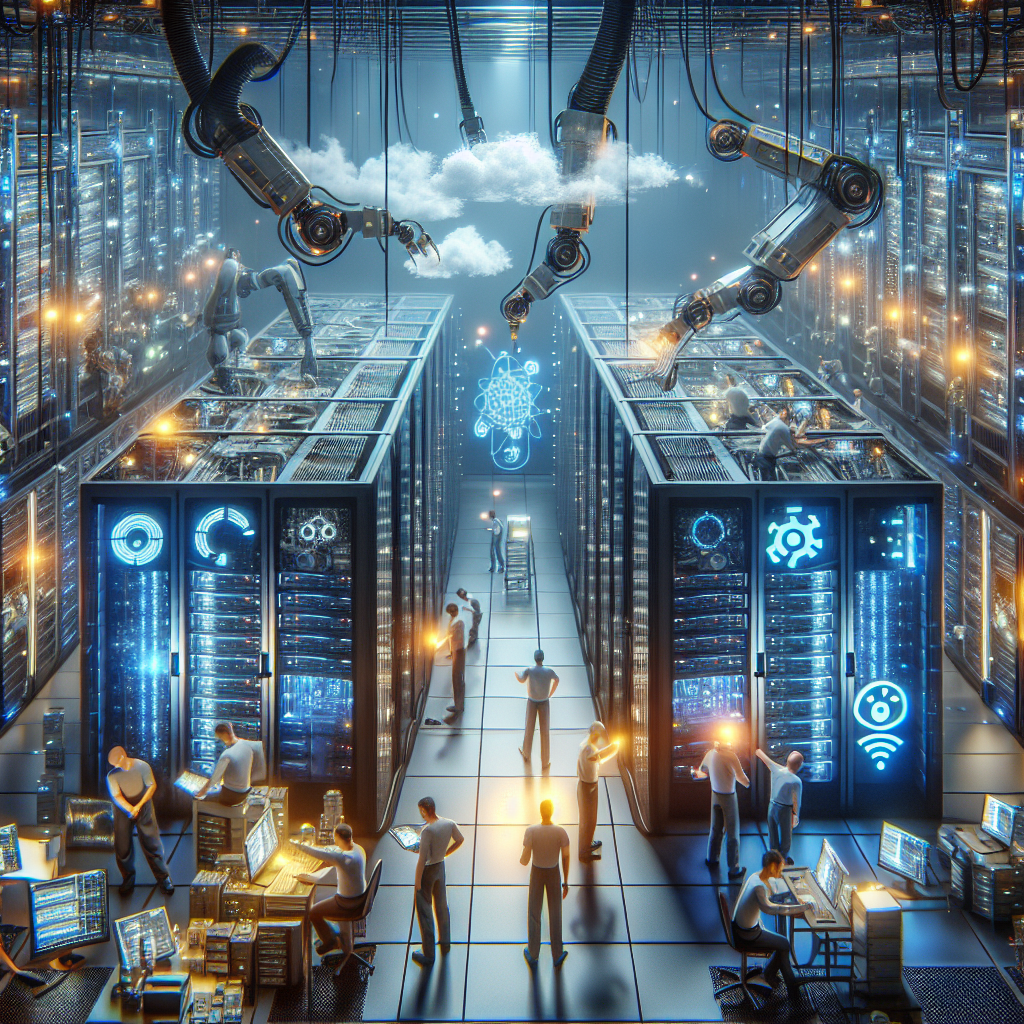
Unlocking 76 GW of New Power Capacity: The Data Center Revolution in the U.S.
In a world increasingly driven by data, the backbone of the digital infrastructure is undeniably the data center. Yet, amidst a surge in digital activity and cloud computation, there’s untapped power potential within U.S. data centers — an astonishing 76 gigawatts (GW) waiting to be harnessed. What’s the secret to this unlocking? Smart data center tweaks. Let’s explore how minor adjustments and innovative strategies can revolutionize energy use nationwide.
The Growing Demand for Data Centers
The proliferation of data-driven technology and cloud computing has led to a rapid increase in the demand for data centers. These facilities are the powerhouses of the digital age, housing racks of servers that facilitate everything from social media to global business operations. However, the increased energy demands of these centers pose a significant challenge:
- Increasing energy consumption: Data centers now consume approximately 2% of the global electricity use.
- Growing number of centers: The number of data facilities continues to grow to meet digital demands.
- Sustainability concerns: There’s a pressing need to balance growth with environmental stewardship.
Impact of Energy Consumption
Not only do data centers consume massive amounts of energy, they also significantly contribute to carbon emissions. The urgency to address this is clear:
- High CO2 emissions: Predicted to surpass those of the airline industry by 2040 if unchecked.
- Cooling requirements: Data centers require extensive cooling processes, often doubling energy usage.
Innovative Tweaks: Once Size Does Not Fit All
The good news is that minor tweaks in data center operations can potentially release a vast amount of energy back into the system — an estimated 76 GW, to be precise. But what are these innovative tweaks, and how can they be implemented effectively?
1. Software Optimization
Energy Usage Effectiveness (EUE) software can play a critical role in optimizing power usage. Through better allocation of computational tasks, EUE can minimize wasted cycles and improve server efficiency.
- Dynamic resource allocation: Allocate resources based on real-time demand rather than over-provisioning.
- Load balancing and virtualization: Implement techniques to manage workloads efficiently, reducing idle server power consumption.
2. Advanced Cooling Solutions
Cooling innovations can foster substantial energy savings. New technologies and methodologies are being explored to dissipate heat more effectively.
- Liquid cooling systems: Utilize liquids instead of air for cooling, achieving higher thermal conductivity.
- Free cooling methods: Leverage natural environments to cool facilities, such as using outside air when conditions permit.
Leveraging Renewable Energy Sources
To achieve sustainability goals, data centers are increasingly looking towards renewable energy sources. This shift not only helps balance demand but also enhances brand reputation in a climate-conscious market.
1. Solar and Wind Investments
- On-site renewable installations: Integrate solar panels on data center roofs or wind turbines on premises.
- Power Purchase Agreements (PPAs): Secure long-term contracts to buy power from renewable sources at fixed costs.
2. Battery Storage Solutions
Investing in large-scale battery storage can allow data centers to store unused renewable energy for future use, reducing grid dependence.
Policy and Regulatory Support
Aiding the transition to more efficient and sustainable data center operations are favorable policies and regulations that encourage innovation and investment in greener practices.
1. Incentives and Tax Breaks
Federal and state governments can fuel the shift through financial incentives:
- IT equipment upgrades: Tax breaks for facilities investing in high-efficiency hardware.
- Renewable installations: Grants for adopting renewable energy infrastructure.
2. Standards and Certification Programs
Certification programs like LEED and ENERGY STAR motivate data centers to achieve stringent efficiency and sustainability benchmarks.
Future of Data Center Expansion
As we unlock this untapped energy potential, the future holds significant opportunities and responsibilities:
- Edge computing: Bringing data processing closer to end-users reduces latency and energy use.
- Decentralized architectures: Implementing microdata centers and modular systems to further optimize performance and energy usage.
Embracing the Digital Power Revolution
The potential to unlock 76 GW of new power capacity through simple data center tweaks presents a monumental opportunity for the U.S. energy landscape. As data centers evolve, leveraging cutting-edge technologies, renewable energy, and smart policies can lead to a sustainable, efficient, and effective power future. Both industry leaders and policymakers must embrace these changes to secure an empowered digital age — one that’s responsible, resilient, and resourceful.
In conclusion, beyond just keeping the lights on for our digital activities, data centers hold the key to a more sustainable energy future. By enacting strategic adjustments and looking ahead to technological advancements, we can unlock new power capacities, driving growth without compromising our planet’s wellbeing.