
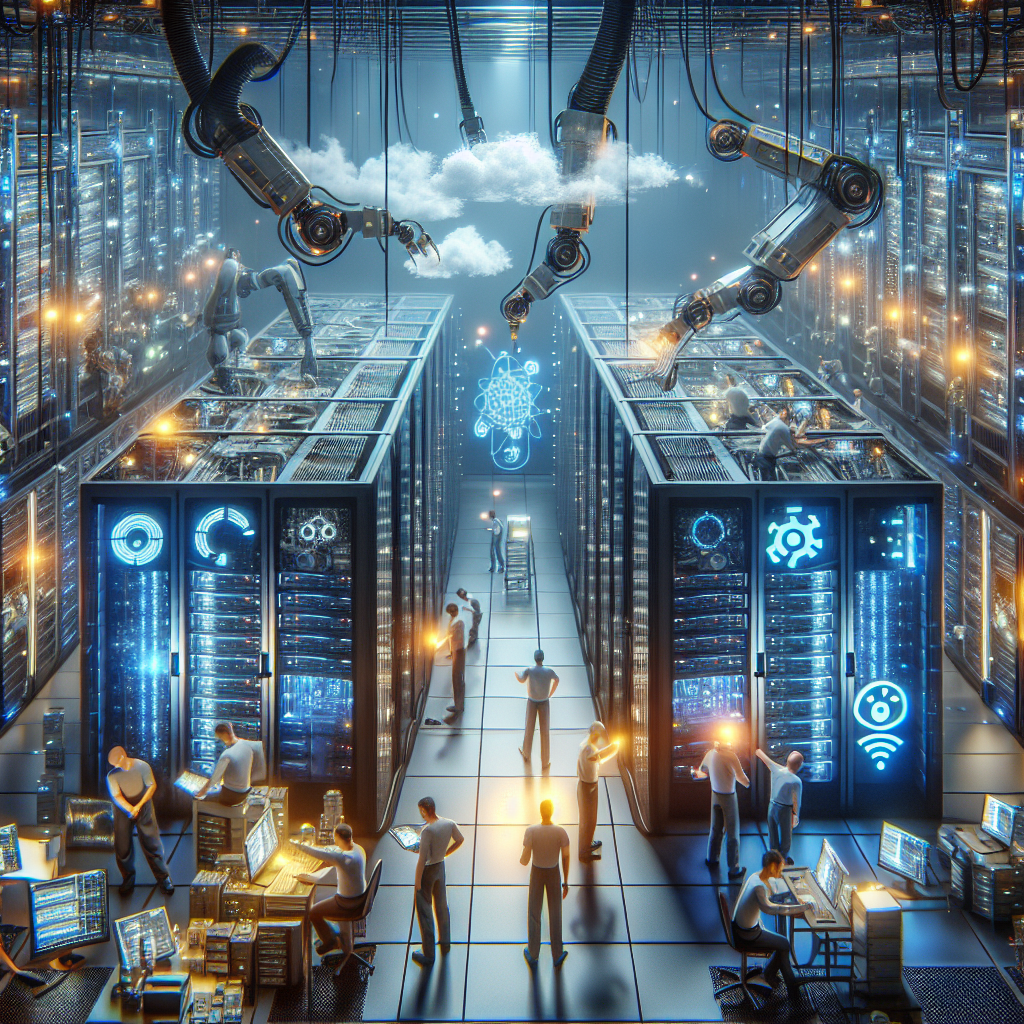
Unleashing 76 GW: How Data Center Optimizations Can Transform U.S. Energy Capacity
In today’s digital-first world, data centers have become the backbone of our connectivity, powering everything from cloud computing to AI algorithms. But amid this technological surge, their environmental impact has not gone unnoticed. A new revelation suggests that tweaking data center operations could unlock a staggering 76 gigawatts (GW) of additional power capacity across the U.S. This potential not only signals a greener future but also hints at substantial economic benefits. Imagine the implications!
The Growing Power of Data Centers
Data centers are the unsung heroes of the digital age. Every email you send, every video you stream, exists thanks to them. Despite their essential role in modern infrastructure, data centers consume vast amounts of energy. According to various studies, they account for nearly 1% of global electricity use, mirroring the carbon footprint of the aviation industry. In the U.S. alone, this represents a significant portion of national energy consumption.
The Environmental Challenge
Data centers, while vital, don’t come without environmental costs:
- High Energy Consumption: The rapid rise in internet traffic driven by services like streaming, cloud storage, and AI processing has resulted in increased data center energy demands.
- Carbon Emissions: Traditional data centers rely heavily on non-renewable energy sources, contributing to greenhouse gas emissions.
- Resource Intensiveness: Beyond electricity, data centers consume large volumes of water for cooling systems, further stretching finite resources.
Harnessing Untapped Potential
The potential to unlock 76 GW through data center tweaks isn’t merely theoretical. Several factors come into play:
- Energy Efficiency Improvements: Upgrading outdated systems and implementing energy-efficient technologies can significantly reduce energy consumption.
- Optimization of Cooling Systems: Using advanced cooling solutions such as liquid cooling and free-cooling systems can cut down on the energy used to maintain optimum temperatures.
- Utilization of Renewable Energy: By integrating solar, wind, or hydropower, data centers can greatly reduce their carbon footprint.
Key Strategies for Unlocking Power Capacity
To translate potential into reality, specific strategies need to be implemented:
1. Embracing Energy-Efficient Hardware
Current data center infrastructure often dates back several years, making it less efficient than new technology:
- Upgrading Servers: Switching to modern, energy-efficient servers can cut energy use by up to 40%.
- Virtualization: By running multiple virtual systems on a single physical server, data centers can reduce the number of physical servers required, saving energy.
2. Innovative Cooling Techniques
Cooling is one of the largest consumers of energy in data centers:
- Liquid Cooling: More efficient than traditional air cooling, liquid cooling systems use fluids to absorb and transfer heat away from servers.
- Free Cooling: Leveraging ambient air or water temperatures to cool data centers can reduce reliance on energy-intensive cooling systems.
3. Integrating Smart Technology
The integration of smart technology offers dynamic control and efficiency:
- AI and Machine Learning: These technologies can predict energy use patterns and optimize processes to reduce waste.
- IoT Sensors: Deployed throughout data centers, these sensors monitor energy use in real time, helping identify inefficiencies.
4. Prioritizing Renewable Energy Sources
Shifting towards renewable energy is a game-changer for both sustainability and cost-effectiveness:
- Solar and Wind Power: Investing in renewable sources reduces reliance on the grid, lessening environmental impact.
- Hydropower: An often overlooked option, incorporating hydropower can further diversify a data center’s energy portfolio.
Economic and Environmental Impact
Unlocking 76 GW through these measures could herald a new era of energy management in the U.S., with profound implications:
Economic Advantages
Adapting data centers across the U.S. could lead to:
- Cost Savings: Reducing energy consumption lowers operational costs over time, improving profit margins.
- Job Creation: Transitioning to more efficient systems and renewable energy sources could generate thousands of jobs, from manufacturing to maintenance and beyond.
Environmental Benefits
The broader environmental implications are profound:
- Reduction in Carbon Emissions: Less energy consumption translates directly into fewer emissions.
- Conservation of Natural Resources: Efficient cooling systems and renewable energy lessen strain on electricity grids and water supplies.
Challenges Ahead
Despite the immense potential, challenges remain:
- Initial Costs: Upfront investments in technology and infrastructure can be high, deterring some operators.
- Technical Expertise: Implementing these advanced systems requires a skilled workforce.
- Regulatory Support: Government incentives and supportive regulations are crucial to encourage widespread adoption.
Conclusion: Powering the Future Responsibly
As the digital landscape continues to evolve, the demand for data centers will only grow. However, by focusing on energy efficiency, smart technology, and renewable resources, these facilities can drastically cut their environmental footprint and unlock an impressive 76 GW of new capacity in the U.S.
The path forward requires innovation and investment, but the payoff — both economically and environmentally — is undeniable. Harnessing this potential will not only ensure a sustainable energy future but also keep the wheels of digital innovation turning smoothly.
By focusing on these adjustments, data centers could not only meet the demands of tomorrow’s digital world but do so in a way that benefits the planet and the economy alike. Let’s embrace this opportunity to power a greener, more sustainable future—because the planet, and future generations, depend on it.
Embark on this transformative journey with us as we bring the digital and natural worlds into harmonious balance.