
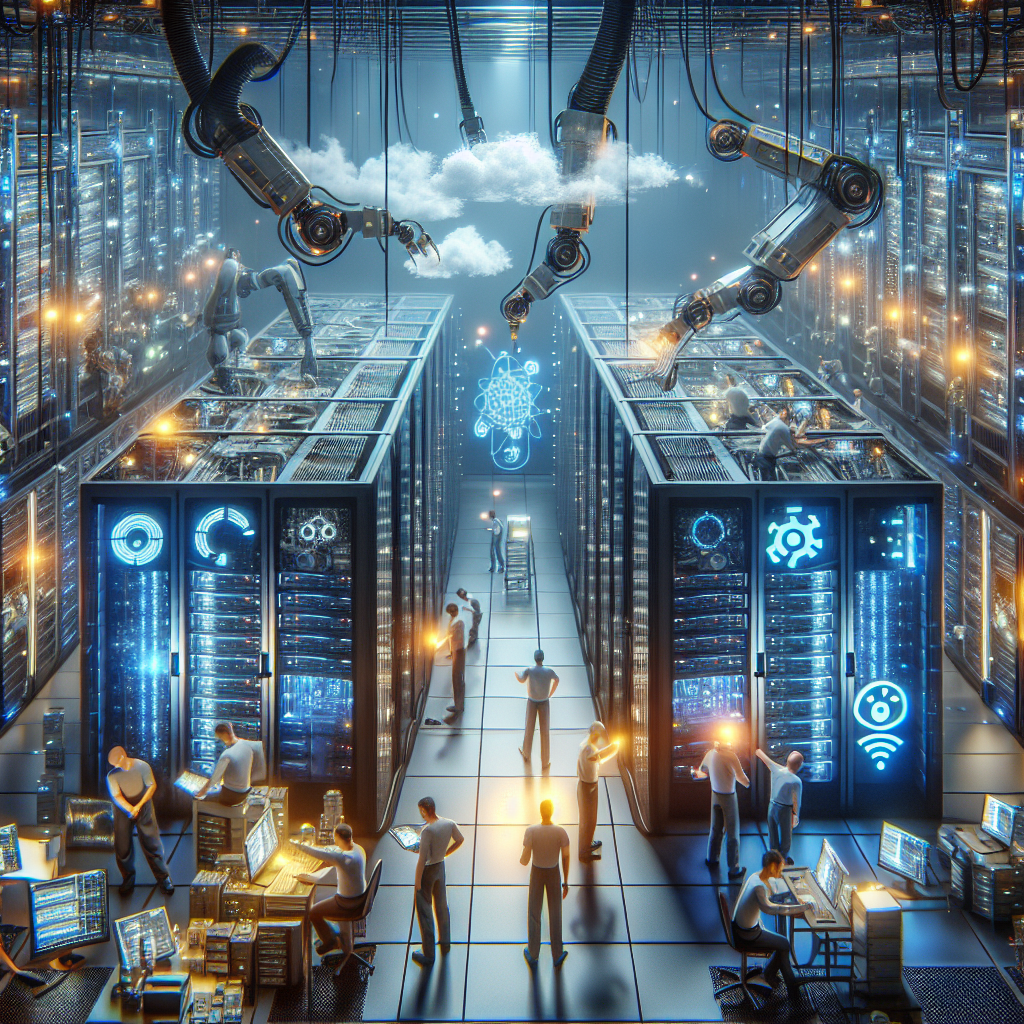
Unlocking 76 GW of New Power Capacity Through Data Center Tweaks in the U.S.
In today’s era of digital transformation, data centers are the backbones supporting our endless capabilities in cloud computing, artificial intelligence, and big data analytics. However, the massive energy consumption of these facilities poses a significant challenge. Surprisingly, optimization and efficiency improvements could potentially unlock a whopping 76 gigawatts (GW) of new power capacity in the United States alone. But what does it take to achieve such a feat, and why is it critical?
Here, we’ll explore the concepts of power capacity within data centers, delve into the potential improvements, and discuss real-world strategies and solutions. Buckle up as we navigate through the intricate world of data centers and the golden opportunities that lie ahead with strategic tweaks.
Understanding Power Usage in Data Centers
The Scale of Power Consumption
Data centers consume approximately 2% of total U.S. energy—a striking number that highlights the reason energy efficiency is a priority. Given that modern data centers thrive on advanced networking equipment, intensive cooling systems, and robust computational loads, their energy usage skyrockets almost every year.
- Current Status: Growth in digital services and demand for more server spaces expands energy consumption.
- Future Projections: With tech trends like IoT and 5G accelerating, energy demands will continue an upward trajectory.
Why Optimize?
Even small efficiency gains across thousands of centers can dramatically reduce environmental impact, decrease operational costs, and support sustainable energy transitions. Optimization allows for release of capacity that once fueled aging infrastructure.
- Environmental Responsibility: Reduced carbon footprints from energy-efficient systems.
- Cost Reduction: Lower operational costs through decreased energy bills.
- Compliance Harmony: Meeting regulatory requirements and incentivizing clean energy use.
Effective Tweaks to Unlock New Power Capacity
Cooling Efficiency Improvements
Cooling systems often represent a significant chunk of a data center’s energy bill. Innovative technology and strategies can greatly reduce this consumption without impacting performance.
- Free Cooling Methods: Utilize natural air or water sources to cool facilities without the need for energy-intensive machinery.
- Advanced HVAC Systems: Implementing intelligent heat management through smart sensors and dynamic airflow distribution.
Virtualization and Server Optimization
Server virtualization allows multiple applications to run on a single machine, significantly reducing the required physical hardware.
- Virtualization Benefits: Reduced energy consumption with increased operational flexibility.
- Server Consolidation: Minimizing idle server use and enhancing resource allocation.
Renewable Energy Integration
Incorporating renewable energy sources such as solar or wind not only minimizes carbon footprints but also leads organizations towards energy independence.
- On-Site Renewables: Installing solar panels or harnessing wind inputs to power operations.
- Purchasing Green Power: Investing in credits and partnerships with green energy suppliers.
Real-World Strategies for Implementation
Retrofitting Existing Data Centers
Older data centers can benefit significantly from targeted retrofitting initiatives—modernizing infrastructure without starting from scratch.
- Investment in Efficient Equipment: Swap out aging servers, cooling units, and electrical systems with newer, more efficient models.
- Adoption of Energy Management Systems: Track and manage resource use to identify areas needing improvement.
Collaboration with Energy Specialists
Partnering strategically with energy experts can unlock new pathways to efficiency and capacity expansion.
- Consultancy Services: Leverage knowledge and best practices that specialists bring, augmenting internal efforts.
- Innovative projects: Collaborative run with tech & energy companies, pushing the boundaries of what’s currently feasible.
The Future of Sustainable Data Centers
Industry Shifts and Emerging Technologies
The road to unlocking additional capacity isn’t merely about tweaks and upgrades. It’s also about revolutionizing the industry through groundbreaking technologies.
- AI-Driven Efficiency Models: Predictive analytics for improved resource utilization and maintenance.
- Edge Computing: Decentralizing data, improving bandwidth limitations, and reducing overall energy loads.
Policy and Regulatory Support
Government incentives and regulatory frameworks play an integral role in promoting clean energy adoption within the IT sector.
- Incentives for Energy Retrofits: Tax credits and financial support for companies investing in sustainable solutions.
- Regulatory Compliance: Mandatory standards ensuring data centers adhere to environmental norms.
Conclusion: A Golden Opportunity in the Making
As the backbone of modern-day technological advancements, data centers are pivotal in shaping an energy-efficient future. By implementing targeted tweaks and leveraging a blend of old-meets-new technology, the U.S. can unlock 76 GW of new power capacity—a leap towards sustainability and operational excellence.
Embracing this approach not only delineates a proactive step towards addressing energy challenges but also aligns data centers with the larger narrative of responsible innovation. As organizations move forward, the journey towards energy optimization could redefine the way we perceive and manage digital infrastructure. Let’s take this opportunity to rethink and reshape our approach, one tweak at a time!