
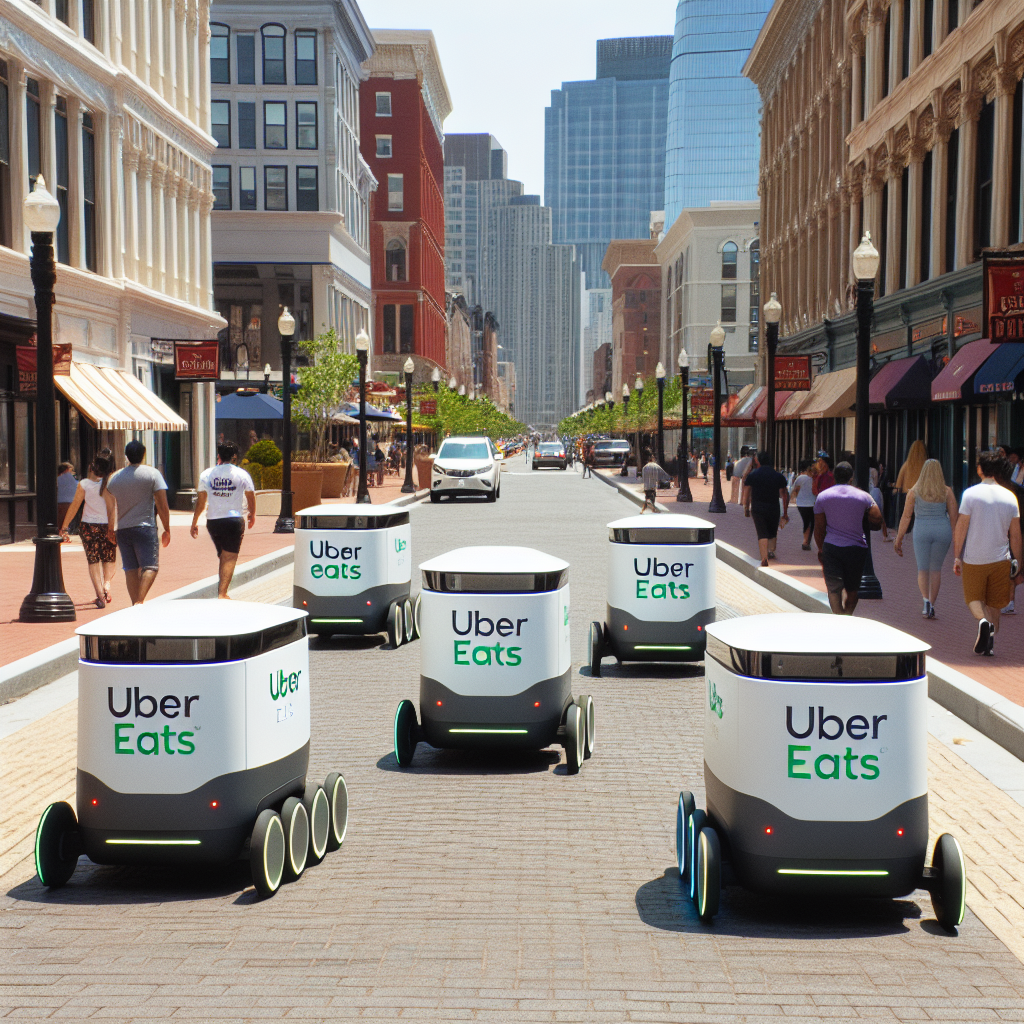
Revolutionizing Urban Delivery: Avride Introduces Sidewalk Delivery Bots to Uber Eats in Jersey City
In an era where convenience meets technology, Avride is setting the wheels in motion—literally. Sidewalk delivery bots, once a figment of futuristic fantasies, are now trundling through the streets of Jersey City, delivering meals via Uber Eats. This article delves into how Avride is transforming the delivery landscape, the technology behind these bots, and what it means for consumers and businesses alike. So, fasten your seatbelts as we explore this innovative leap into the future of urban delivery.
The Dawn of Sidewalk Delivery Bots in Jersey City
From Concept to Reality
The concept of autonomous delivery has been around for years, primarily existing in the realm of science fiction. However, Avride with Uber Eats is making significant strides to turn this vision into a tangible reality. With Jersey City as the testing ground, sidewalk delivery bots are now an integral part of urban life in the area, offering a glimpse into the future of delivery services.
Why Jersey City?
Jersey City is a unique mosaic of urban life, making it the perfect testing ground for Avride’s innovative technology.
- Dense population: Urban areas with dense populations need efficient, quick delivery systems.
- Tech-savvy population: An audience that is receptive to technological advancements.
- Proximity to tech hubs: Easy access to tech resources for support and development.
The decision to launch in Jersey City was strategic, leveraging the urban environment and consumer readiness for cutting-edge technology.
The Technology Behind Avride’s Delivery Bots
Understanding the AI and Robotics
The magic of these delivery bots lies in their advanced robotics and AI capabilities. Here’s what makes them tick:
- Advanced Sensors and Navigation Systems: These bots are equipped with LiDAR, GPS, and other sensors that allow them to navigate complex urban terrains safely.
- Machine Learning Algorithms: Continuous learning from their environment improves route efficiency, delivering orders faster each time.
- Obstacle Avoidance Technology: Sophisticated AI algorithms enable these bots to identify and circumvent obstacles, ensuring smooth and safe delivery even in the busiest streets.
How They Work
Once a customer places an order via Uber Eats, the delivery bot springs into action:
- Order Received: The restaurant prepares the order.
- Bot Deployment: A nearby bot is activated and directed to the pickup location.
- Order Pickup: The bot is loaded with the meal and given the delivery coordinates.
- Autonomous Delivery: The bot navigates city sidewalks to reach the customer.
- Secure Delivery: The bot sends a notification upon arrival, releasing the meal once the correct PIN is entered.
Impacts on the Delivery Ecosystem
Benefits for Consumers
For the everyday consumer, these delivery bots introduce a host of benefits:
- Faster Deliveries: With automation, the delivery process is streamlined, leading to quicker deliveries.
- Reduced Errors: The precision of AI reduces order mishaps and delivery errors.
- Novel Experience: Engaging with a delivery bot adds a dash of novelty and fun to the dining experience.
Business Opportunities for Restaurants
Restaurants are poised to gain from this technological advancement:
- Cost Efficiency: Reduced reliance on human labor for delivery can trim operational costs.
- Expanded Reach: Increased delivery efficiency can broaden the customer base.
- Reduced Delivery Time: Quicker deliveries imply fresher meals and higher customer satisfaction.
Challenges and Considerations
Navigating Legal and Ethical Landscapes
With innovation comes the need to navigate regulatory hurdles:
- Safety Regulations: Ensuring the bots comply with safety regulations is non-negotiable.
- Privacy Concerns: Addressing data protection and privacy concerns related to AI-driven technologies is crucial.
Rising Above Technical Challenges
While the technology is promising, it isn’t without its obstacles:
- Weather Conditions: Adverse weather can affect bot operations.
- Vandalism Risks: Bots, being unmanned, could be prone to tampering or vandalism.
The Human Element
What happens to existing delivery drivers in the era of automation?
- Job Transitions: Companies may need to offer re-skilling opportunities to employees affected by automation.
- Augmented Workforce: Bots could serve as assistants rather than replacements, optimizing the human workforce.
The Future of Delivery Bots in the Urban Landscape
Scaling Operations
Avride’s introduction of delivery bots in Jersey City marks the beginning, not the end. There are plans to:
- Expand to Other Cities: Successful deployment in Jersey City could serve as a blueprint for other urban areas.
- Innovate Further: Continued technological advancements to refine bot capabilities.
Lasting Impact and Sustainability
As ride-sharing disrupted urban transport, delivery bots may reshape how we think of urban logistics:
- Environmental Impact: Electric bots reduce carbon footprints compared to traditional delivery vehicles.
- Urban Dynamics: The integration of such technology might also influence urban planning and development to accommodate autonomous solutions.
Conclusion
Avride’s leap into autonomous delivery through Uber Eats in Jersey City isn’t just a technological marvel; it’s a game changer for the delivery industry. As these bots zip through the sidewalks, they’re not merely delivering meals—they’re delivering a preview of how urban life could evolve, blending convenience with cutting-edge technology. While challenges lie ahead, the path to a smarter city and more efficient, eco-friendly delivery systems is becoming clearer, one bot at a time. Welcome to the future!