
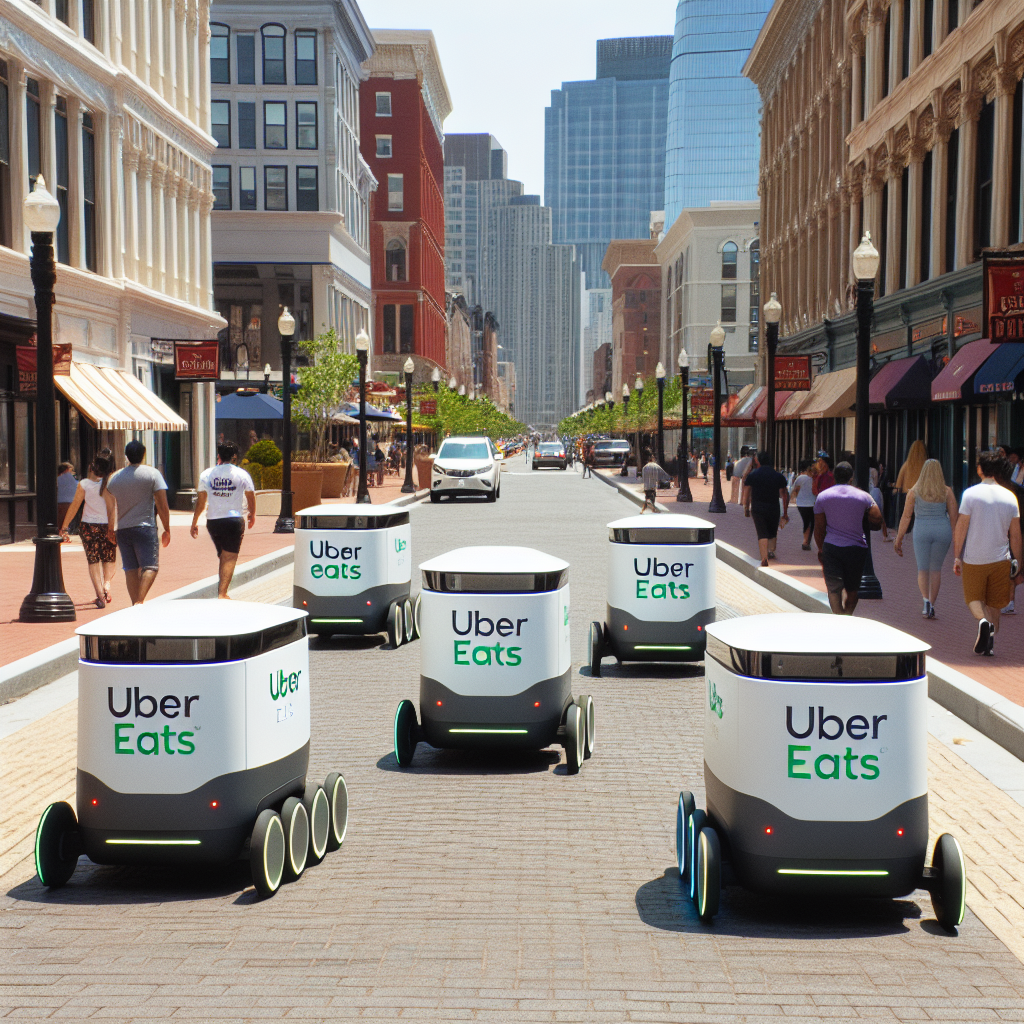
Revolutionizing Food Delivery: Avride’s Sidewalk Delivery Bots Hit Jersey City’s Streets via Uber Eats
In a groundbreaking development that’s set to transform the landscape of local delivery services, Avride has launched its innovative sidewalk delivery bots in collaboration with Uber Eats in Jersey City. This cutting-edge solution is not just a novelty—it’s a promising advance in how we think about urban logistics, sustainability, and service efficiency. This bold initiative targets enhancing the food delivery experience, reducing carbon footprints, and offering a glimpse into the future of urban infrastructure.
The Evolution of Delivery Services
To fully appreciate the magnitude of Avride’s initiative, it’s crucial to understand how delivery services have evolved over the years, especially with the advent of technology.
From Bicycle Messengers to Autonomous Bots
-
Traditional Delivery Models: Initially, delivery services relied heavily on human couriers using bicycles or motorbikes. Though effective, these methods were not without issues such as traffic congestion, delivery delays, and a carbon footprint.
-
Rise of Gig Economy: Platforms like Uber Eats revolutionized the delivery model by leveraging the gig economy, allowing individuals to earn money by delivering goods. This model provided flexibility yet faced challenges like traffic, unpredictable delivery times, and environmental impact.
- The Autonomous Leap: Enter Avride’s sidewalk delivery bots – a seamless blend of robotics, AI, and logistical efficiency. These bots aim to eliminate many of the problems associated with traditional methods by delivering food safely and promptly without the emissions.
Avride’s Vision and Technology
Avride is not just thinking about today but strategically positioning itself for tomorrow. Their vision encompasses the efficient integration of robotics into everyday urban life.
Core Features of Avride’s Sidewalk Delivery Bots
-
Autonomous Navigation: Using AI and machine learning algorithms, these bots are capable of navigating crowded urban areas, avoiding obstacles, and taking safe pathways to their destination.
-
Sustainable Design: Electrically powered, these bots lend themselves to a cleaner environment by reducing the reliance on carbon-based fuels.
- Secure and Reliable: Equipped with advanced security protocols to ensure that deliveries are secure and reach the intended recipient without tampering or loss.
Integration with Uber Eats
The collaboration between Avride and Uber Eats is strategic, capitalizing on Uber’s vast customer base and order volume. Here’s how this partnership is streamlined:
-
Seamless Ordering Experience: Customers place orders on Uber Eats as usual, with notifications indicating when a bot will deliver.
- Efficient Last-Mile Delivery: Bots handle the last-mile delivery, navigating complex urban terrains effortlessly and delivering orders to the customer’s doorstep.
Benefits and Opportunities
This initiative provides several advantages that go beyond just timely food delivery.
Environmental Impact
-
Reduction in Carbon Emissions: By replacing traditional vehicle-based deliveries with electric bots, there’s a significant reduction in the carbon footprint associated with food delivery.
- Less Traffic Congestion: Reducing the number of delivery vehicles on the road lessens traffic congestion, contributing to a smoother urban traffic flow.
Economic and Social Benefits
-
Cost Efficiency: Automation can reduce operational costs over time, potentially leading to cheaper delivery fees for consumers.
- Job Creation: While bots automate delivery, they also require maintenance, monitoring, and support, creating new types of jobs in tech support and logistics management.
Challenges and Considerations
While promising, the advancement of autonomous delivery involves overcoming certain challenges.
Infrastructure and Regulation
-
Urban Infrastructure: Cities like Jersey City need to be technologically equipped to support the deployment of delivery bots. This involves sidewalk suitability and technical investments.
- Regulatory Frameworks: Urban areas must develop regulations that ensure safety and accountability in autonomous deliveries.
Public Perception and Adaptation
-
Engaging Communities: Educating the public about these innovations helps in easing acceptance and integration into daily life.
- Trust and Reliability: Consumers need to trust in the reliability and security measures implemented by these autonomous systems.
The Future: More Than Just Food Delivery
As Avride’s bots navigate Jersey City streets, they herald a broader trend where urban businesses might leverage this technology for other kinds of delivery services—from groceries to pharmaceuticals.
Expansion Potential
-
Scalability: As success breeds expansion, the future might see these bots operating across different geographies and in various sectors.
- Cross-Industry Applications: Beyond food delivery, similar bots can revolutionize industries like healthcare, retail, and more, indicating a wide-reaching impact.
Long-term Impacts on Urban Living
-
Smart Cities: These bots are a step towards smarter cities where efficiency, sustainability, and innovation drive daily operations.
- Technology Integration in Routine Life: With technology seamlessly integrating into urban routines, residents can look forward to more convenience and time-saving options.
In conclusion, Avride’s launch of sidewalk delivery bots on Uber Eats in Jersey City marks a pivotal moment in urban living and logistics. As this technology matures and expands, it promises to augment daily life, making our world more efficient, sustainable, and enjoyable. Whether you’re a food enthusiast, a tech aficionado, or an eco-conscious citizen, this development stands as a beacon of what’s possible in the era of automation and smart cities.