
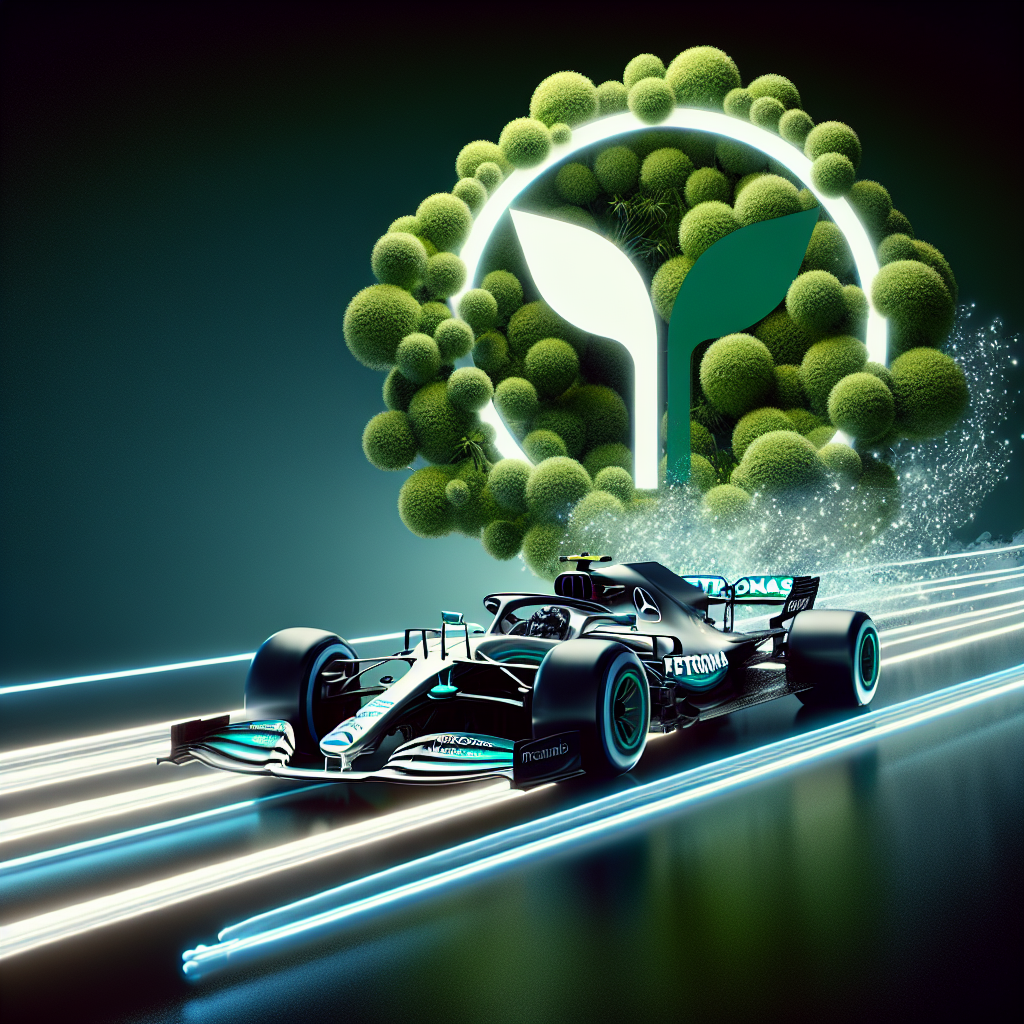
Mercedes-AMG Petronas F1 Team Drives Forward with Nature-Based Carbon Credits
In the world of motorsport, speed, precision, and performance often take center stage. However, an equally thrilling race is unfolding off the track, where Formula 1 teams are competing to become more sustainable and environmentally friendly. The Mercedes-AMG Petronas Formula 1 Team has embarked on a pioneering journey that balances their high-octane operations with ecological responsibility. Their latest initiative involves steering toward nature-based carbon credits – a move that not only promises to mitigate their carbon footprint but also showcases their commitment to a greener future.
Understanding Nature-Based Carbon Credits
What are Nature-Based Carbon Credits?
In recent years, the concept of carbon credits has gained significant traction as a vital tool in the global fight against climate change. But what are these credits, and why are they important?
- Carbon Credits: A carbon credit represents the removal or reduction of one metric ton of carbon dioxide (CO2) equivalent from the atmosphere. Companies use these credits to offset their greenhouse gas emissions.
- Nature-Based Solutions: These credits often originate from nature-based solutions, which involve preserving natural ecosystems such as forests, oceans, and wetlands. These natural environments have the innate ability to absorb CO2, making them vital in offsetting emissions.
Why Mercedes-AMG Petronas F1 is Investing in Them
For the Mercedes-AMG Petronas F1 Team, investing in nature-based carbon credits aligns with their strategic sustainability goals. The team acknowledges that, while they strive to minimize emissions through technology and innovation, some emissions are inevitable. Nature-based credits serve as a bridge to balance their remaining carbon footprint.
- Aligning with Long-Term Goals: The team aims to become carbon neutral by the end of the decade.
- Enhancing Brand Image: By adopting such eco-friendly measures, Mercedes-AMG Petronas not only boosts their sustainability profile but also reinforces their brand image as a leader in innovation and responsibility.
- Supporting Global Efforts: Their contribution aids international goals such as the Paris Agreement, reinforcing the notion that every step towards sustainability counts.
The Mechanics of Nature-Based Carbon Credit Projects
Types of Nature-Based Projects
Not all nature-based projects are created equal. Here’s a look at some of the key types that are instrumental in generating carbon credits:
- Reforestation and Afforestation: Projects that plant new trees or restore deforested areas to trap CO2.
- Coastal Ecosystem Management: Restores and maintains mangroves, salt marshes, and seagrasses which are highly effective at carbon sequestration.
- Agricultural Projects: Implements sustainable farming practices that enhance soil carbon storage.
How Projects Are Certified
To ensure the integrity and efficacy of carbon credits, projects are evaluated and certified by recognized organizations. This certification is crucial as it guarantees the credibility of the credits.
- Verification Standards: Organizations like the Verified Carbon Standard (VCS) and Gold Standard evaluate projects based on their impact and longevity.
- Monitoring and Reporting: Regular assessments are conducted to monitor the projects and verify that they deliver the promised CO2 reductions.
The Role of Technology and Innovation in F1 Sustainability
Cutting-Edge Engineering Solutions
Beyond purchasing carbon credits, the Mercedes-AMG Petronas F1 Team is leveraging its engineering prowess to drive sustainability.
- Hybrid Power Units: F1 cars employ advanced hybrid technology that significantly reduces fuel consumption and carbon emissions.
- Data Analysis and Simulation: Use of AI and data analytics for optimizing energy use both on and off the track.
Sustainable Practices Beyond the Track
The team’s sustainability initiatives extend beyond the track. They are integrating eco-friendly practices across their day-to-day operations.
- Eco-friendly Headquarters: Implementation of renewable energy sources such as solar panels at their facilities.
- Waste Management: Reducing waste through recycling programs and minimizing single-use materials.
Challenges and Future Prospects
Overcoming Hurdles
Adopting nature-based carbon credits is not without challenges:
- Project Viability: Ensuring the long-term viability of nature-based projects can be complex due to legal and environmental factors.
- Market Volatility: The price of carbon credits can fluctuate, affecting budgeting for teams heavily reliant on this method for carbon offsetting.
Looking Ahead: The Future of Sustainability in F1
As the Mercedes-AMG Petronas F1 Team and other stakeholders look ahead, the roadmap suggests exciting developments in sustainability:
- Increased Collaboration: Anticipating partnerships between teams, environmental organizations, and governments to enhance impact.
- R&D Investment: Continuous investment in research and development to discover groundbreaking technologies that further reduce emissions.
Why Sustainability Matters: The Bigger Picture
Embracing sustainability is about much more than avoiding penalties or catering to corporate social responsibility checklists. It signifies a broader commitment to future generations and the planet. In a sport characterized by rapid change and evolution, the Mercedes-AMG Petronas F1 Team’s venture into nature-based carbon credits is not just forward-thinking; it’s essential.
- Global Influence: As a high-profile brand, their actions resonate beyond the sport, influencing environmental policy and practice.
- Inspiring Innovation: Their dedication to sustainability could inspire technological breakthroughs with applications beyond motorsport.
By navigating the terrain of nature-based carbon credits, the Mercedes-AMG Petronas F1 Team sets a leading example within and beyond Formula 1. It reflects a remarkable blend of performance excellence with ecological mindfulness, steering the sport toward a future where speed and sustainability thrive in harmony.