
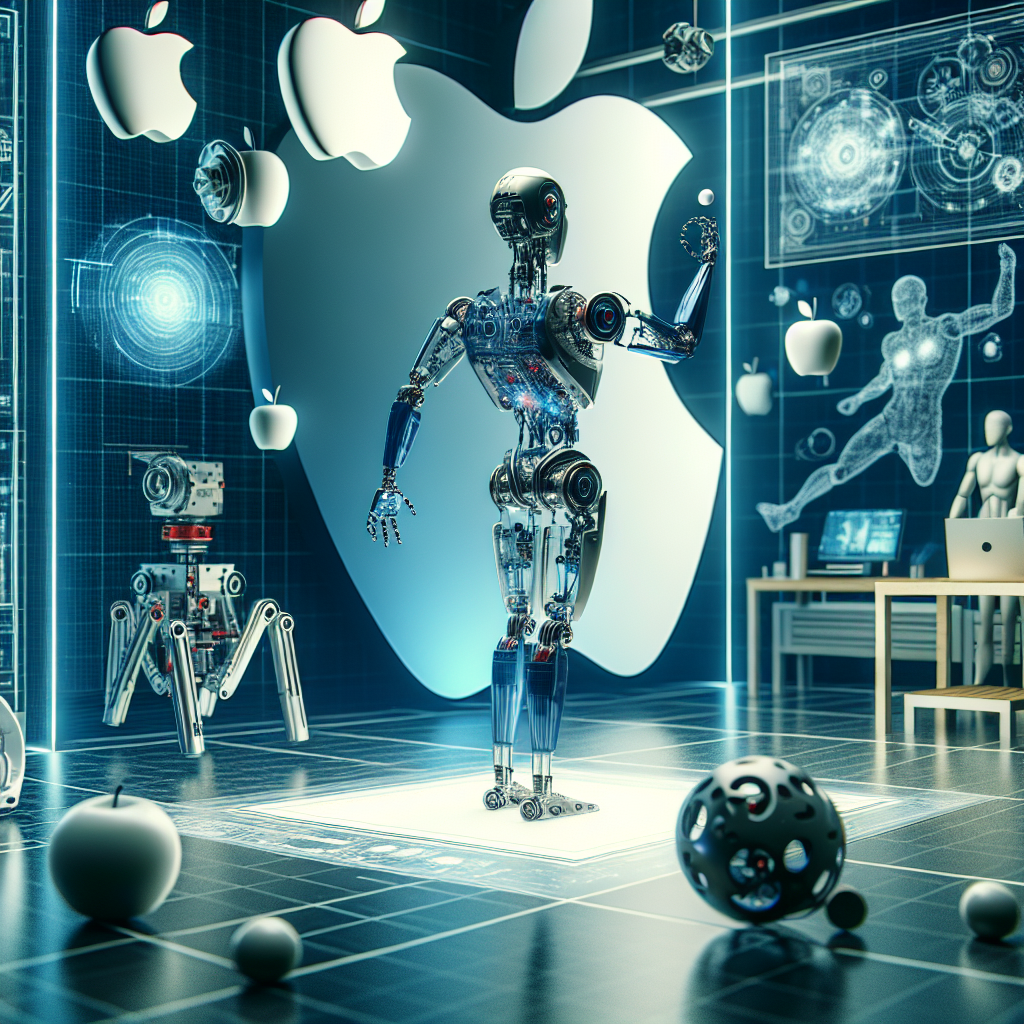
Apple’s Foray into Robotics: Exploring the Fascinating World of Humanoid Robots
Introduction
In a world where technology is evolving at a breakneck pace, the prospect of humanoid robots is no longer a concept confined to science fiction. Tech giant Apple Inc., known for its innovative products that have reshaped personal technology, is reportedly considering a significant leap into the realm of robotics. More intriguingly, this leap focuses on developing humanoid robots, possibly setting a new precedent in how robots integrate into our daily lives. But what does this mean for the future of technology and society? How will Apple’s potential entry into humanoid robotics shape the industry? This article delves into these fascinating questions, exploring the implications, challenges, and possibilities unique to Apple’s interest in humanoid robotics.
The Evolution of Robotics and Apple’s Technological Influence
A Brief History of Robotics
To fully grasp the magnitude of Apple’s exploration into humanoid robotics, it is essential first to understand the landscape of robotics:
- Early Beginnings: The concept of robots dates back to ancient myths and mechanical devices from the Renaissance.
- 20th Century Advances: With the rise of computers and programmable systems, robotics took a leap forward in the 20th century.
- 21st Century Innovations: The current era sees robots employed in diverse fields, from manufacturing to medicine.
Apple’s Legacy of Innovation
Apple has a storied history of taking technological concepts and transforming them into commercially successful products:
- Personal Computing: The Macintosh and various innovative computing devices.
- Mobile Revolution: The introduction of the iPhone, which transformed not only telephony but personal computing as a whole.
- Wearable Tech: The Apple Watch, leading innovation in personal health monitoring and wearables.
Given its track record, Apple’s potential entry into humanoid robotics is not just another product line but a possible game-changer in robotics.
Humanoid Robots: The Next Frontier
What are Humanoid Robots?
Humanoid robots are robots designed to mimic human form and behavior:
- Design and Mobility: Typically built with human-like limbs and often equipped with sensors that allow them to perceive their environment.
- Applications: Used in fields like healthcare, personal assistance, and industrial automation.
Apple’s Ambitions in Robotics
While details are scarce, rumors about Apple’s robotic ambitions suggest several possibilities:
- Integration with Existing Ecosystems: Potentially creating robots that seamlessly connect with Apple’s current ecosystem.
- Enhancing User Experience: Utilizing AI and robotics to provide unparalleled user experiences.
- Fostering Innovation: Possible new avenues in AI and machine learning could emerge through Apple’s exploration of robotics.
Challenges in Creating Humanoid Robots
Technological Hurdles
Building humanoid robots involves complex, multifaceted challenges:
- AI and Machine Learning: Developing robots that can learn and adapt to new situations is a significant ongoing challenge.
- Human-Robot Interaction: Creating intuitive and seamless interactions remains a top priority.
- Safety and Reliability: Ensuring humanoid robots are safe for home and industrial uses.
Ethical Considerations
With the rise of humanoids, ethical questions come into play:
- Privacy Concerns: How will robots handle sensitive data?
- Autonomy and Control: Balancing human control and robot autonomy.
- Workforce Implications: Potential displacement of jobs by robotic automation.
The Potential Impacts of Apple’s Robotics Venture
On the Tech Industry
Apple’s entry into robotics could spur significant changes industry-wide:
- Increased Investment: Interest and investment in robotics could rise.
- New Standards: Apple’s reputation could lead to new standards in robotics design and functionality.
On Society
Humanoid robots, especially from a prominent player like Apple, could have wide-reaching societal effects:
- Daily Life Integration: Robots could become household staples, assisting with mundane tasks.
- Healthcare Advancements: Improved healthcare delivery with assistance from humanoid robots.
- Social Interaction: Reimagination of human-robot social interactions.
Conclusion
Apple’s potential venture into humanoid robotics marks an exciting prospect that could redefine how AI and robotics coalesce in our everyday lives. With Apple’s propensity for transformative innovation, the future might hold humanoid robots that work seamlessly within our digital ecosystem, enhancing productivity, connectivity, and even healthier lifestyles. Whether these robots will eventually make their way from design labs into our homes and workplaces still remains a vivid discussion, but one thing is clear: Apple’s exploration into humanoid robotics holds the promise to innovate our world, yet again.
By taking a bold step into the world of humanoid robotics, Apple not only positions itself as a pioneer of the future but also invites us all to imagine a future where the lines between technology and humanity blur, creating endless possibilities.