
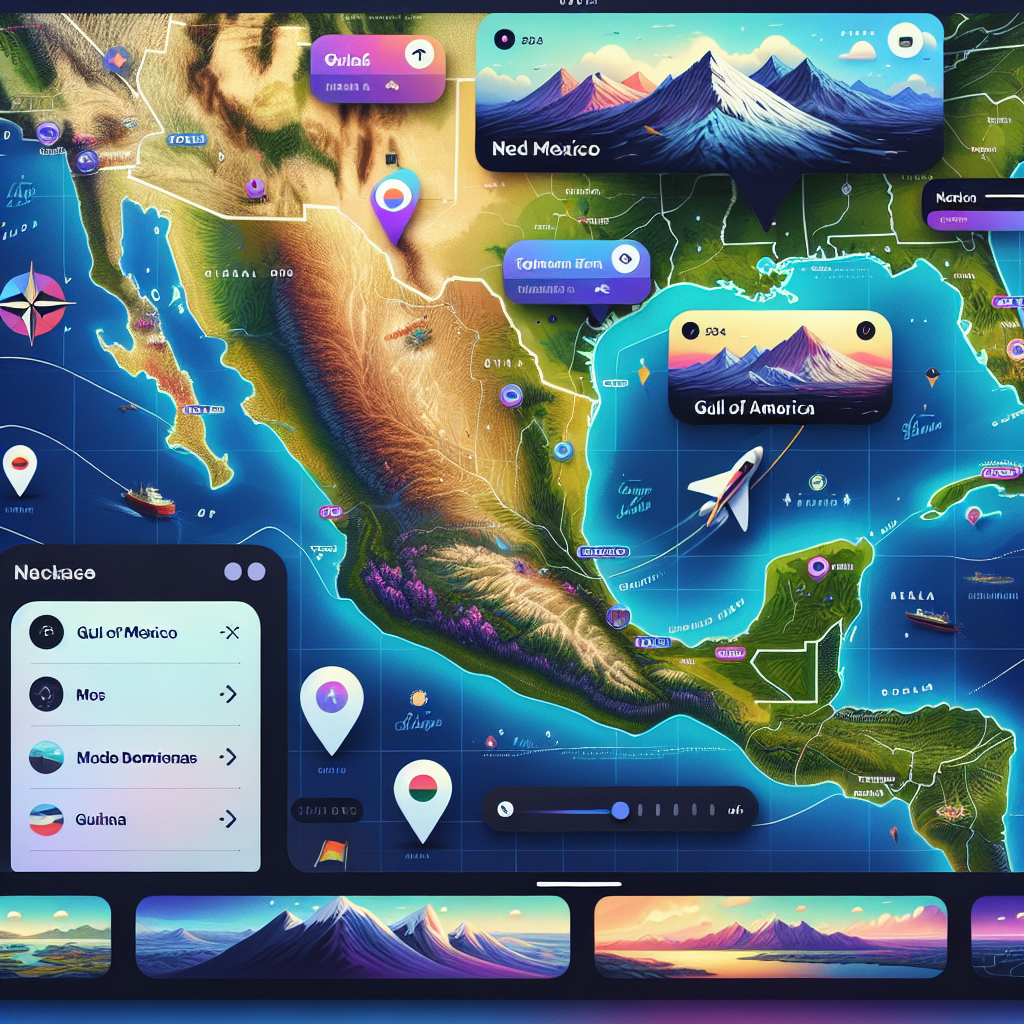
Apple Maps Takes a Page from Google: Introducing the ‘Gulf of America’
In the ever-evolving world of digital mapping, tech giants are continuously seeking innovative ways to enhance user experience and accuracy. Apple Maps, while once lagging behind its competitors, has made significant strides in recent years. Now, with its latest update, Apple Maps plans to introduce the term ‘Gulf of America’, a move that mirrors Google’s recent changes. This article explores Apple’s decision, its implications, and what users can expect from this update.
The Evolution of Digital Mapping
A Brief History
Digital mapping has undergone a transformative journey:
- Early Beginnings: Basic digital maps with limited accuracy.
- The Google Era: Google Maps set high standards in mapping functionalities.
- Apple Maps’ Arrival: Launched in 2012, initially criticized for inaccuracies.
- Continual Improvements: Apple has continually refined its mapping service, integrating real-time updates, improved navigation, and stunning visual detail.
The Role of Naming Conventions
Naming conventions in maps are not just about labels; they are about identity and relevance. Changes in map nomenclature can reflect:
- Political decisions
- Cultural milestones
- Geographical re-evaluations
Why ‘Gulf of America’?
The term ‘Gulf of America’ isn’t a spur-of-the-moment decision. It symbolizes:
- Geopolitical relevance: Highlighting the importance of the region.
- User familiarity: Defaulting to a name that resonates with residents and frequent visitors.
Apple Maps’ New Approach
Aligning with Google
Google Maps recently started using ‘Gulf of America’, setting a trend in the digital mapping realm. Apple’s move to align with Google could offer several benefits:
- Consistency: Users will experience uniformity across different platforms.
- Enhanced User Experience: Familiar terminologies improve user satisfaction.
Apple’s Innovations and Features
Apple Maps continues to innovate beyond just naming conventions:
- Enhanced 3D Views: Offering detailed cityscapes and landmarks.
- Real-time Transit Information: Keeping users updated on potential delays or changes.
- User Privacy: Apple’s emphasis on protecting user data remains a standout feature.
Implications of the Name Change
While some applaud the change, others question its necessity:
- Advantages:
- Improved user navigation.
- Enhanced alignment with international mapping trends.
- Concerns:
- Resistance to change from traditionalists.
- Potential confusion with historical maps.
How This Affects Everyday Users
Navigation and Search Improvements
For everyday users, this change means:
- Easier Directions: Searching ‘Gulf of America’ might yield more accurate results.
- Voice Command Recognition: Smart assistants complying with the new nomenclature will improve interaction.
Business Implications
Businesses relying on digital maps might need to:
- Update marketing materials to include the new terminology.
- Reassess digital strategies aligning with geographical naming trends.
The Future of Apple Maps
Anticipated Changes and Updates
With this naming update as part of a broader strategy, anticipate further features, such as:
- Virtual Reality Integration: Introducing AR for improved indoor navigation.
- AI-Powered Predictions: Enhanced route prediction based on user habits and traffic patterns.
Staying Ahead in the Mapping Game
For Apple Maps, staying competitive involves:
- Regular updates that respond to user feedback.
- Investing in AI and Big Data for enhanced accuracy and predictions.
Conclusion
As Apple Maps embraces the term ‘Gulf of America’, this change marks another chapter in the ongoing evolution of digital mapping. By aligning with Google, Apple ensures consistency, accuracy, and improved user experience across platforms. For users and businesses alike, adapting to these updates is crucial for reaping the full benefits of contemporary digital navigation. As the tech landscape continues to evolve, Apple Maps’ commitment to innovation and enhancement is poised to redefine how we interact with the world around us.
Key Takeaways:
- Apple Maps’ introduction of the ‘Gulf of America’ follows Google’s lead, bringing uniformity and relevance.
- Enhanced navigation, improved user satisfaction, and real-time updates highlight its benefits.
- Future-proofing through continuous innovation remains Apple’s competitive strategy.