
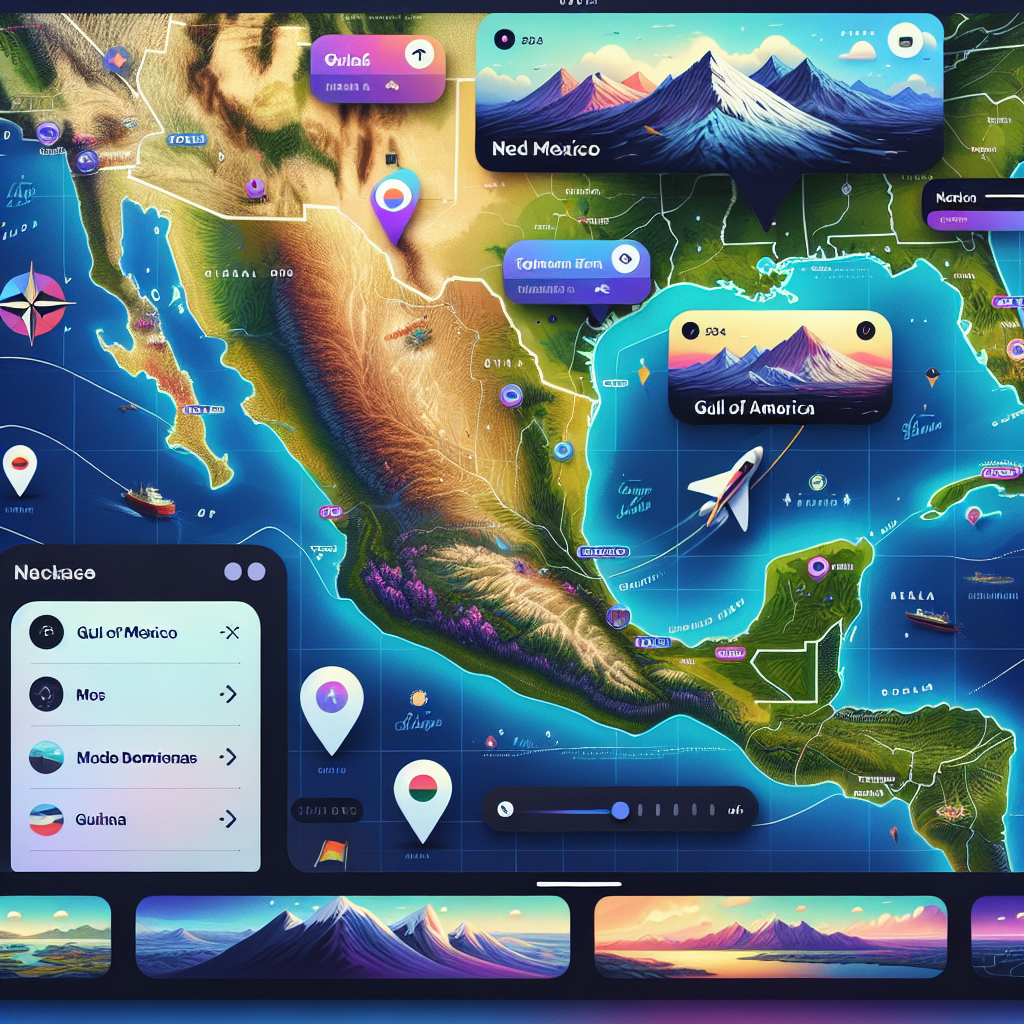
Apple Maps’ Plan to Reveal the ‘Gulf of America’: What It Means and What’s at Stake
In the ever-evolving landscape of digital mapping, changes can influence everything from political discussions to personal travel plans. Apple Maps has recently announced its intention to follow Google’s footsteps by introducing a new map label: the "Gulf of America." This development has sparked curiosity, debate, and, for some, controversy. Whether you’re a tech enthusiast, a navigation app user, or someone interested in geo-politics, understanding the implications of this change is pivotal. Dive into this comprehensive exploration of Apple’s mapping evolution, the historical and geographical context of the ‘Gulf of America,’ and what this means for users globally.
Understanding the ‘Gulf of America’: A Historical Perspective
The term "Gulf of America" might seem novel to some, but it carries significant historical and geopolitical connotations:
Geographical Significance
- Location: The Gulf of America generally refers to what is more commonly known as the Gulf of Mexico, a significant body of water bordered by the US, Mexico, and Cuba.
- Economic Role: It’s a hub for shipping routes and abundant natural resources, contributing drastically to the economies of these adjacent countries.
Historical Context
- Colonial References: Historically, the region has been central in conflicts such as the Spanish colonization and the shaping of early American frontiers.
- Modern Implications: In recent decades, this area sustains political discussions focused on environmental conservation and resource management.
Understanding these contexts underscores why a naming change on digital maps might carry deeper meanings than it initially seems.
Why Apple Maps Decided to Follow Google’s Step
Apple is known for its strategic adaptability. Here’s why they’ve decided to realign their mapping practices with Google.
Alignment with Tech Trends
- Staying Competitive: By syncing with Google Maps’ naming, Apple can offer uniformity in digital cartographic technologies, which may enhance user experience.
- Data Sharing Initiatives: Unified naming can optimize collaborative projects where data sharing across platforms is necessary.
Political and Social Implications
- Neutral Stance on Naming Disputes: By aligning with Google, Apple may be seeking neutrality in geo-political tensions that arise from international naming disputes.
Potential Impacts on Users and Industries
The decision to label the Gulf of Mexico as the "Gulf of America" won’t be without implications.
Navigation and Day-to-Day Usage
- User Understanding: For regular users of Apple Maps, a new label might initially lead to confusion as they adjust to the updated terminology.
- Search Functionality: Adjustments in search algorithms might be needed to account for varied historical names.
Influence on Tourism and Economics
- Tourism Industry: Names play a key role in the branding of locales, and a shift could require re-marketing efforts from tourism boards.
- Economic Labels and Properties: Trade agreements and environmental laws could be influenced by naming conventions and their broader interpretations.
Apple Maps vs. Google Maps: Continuing the Friendly Feud
The rivalry between Apple Maps and Google Maps serves as the backdrop for this significant naming strategy shift.
Comparing Features
- User Interface: Apple Maps maintains a sleek, integrated design that is characteristic of the brand, while Google Maps offers extensive mapping data and functionalities.
- Innovation Pace: Apple’s approach is often more cautious, focusing on perfecting premium features, while Google quickly integrates experimental elements.
Mapping Accuracy and Updates
- Correction Frequency: Apple is closely working on improving its update frequency to rival Google’s expansive real-time data updates.
- User-Generated Feedback Incorporation: Both companies leverage user feedback, but Apple’s recent changes may indicate a strategic pivot towards greater user engagement.
What This Means for the Future of Digital Mapping
Potential for Future Collaborations
- Cross-Platform Integration: Aligning naming conventions can lead to greater cross-platform integration, breaking down silos in tech development.
- Open-Source Contributions: Naming consistency might encourage more developers to engage with open-source mapping innovations.
Shaping Global Geopolitical Narratives
- Tech Companies as Stakeholders: By influencing map labels and terminologies, tech giants like Apple and Google are stakeholders in the international political arena.
- Adaptability in Boundaries: This change might set precedence for future digital alterations of geopolitical boundaries.
Conclusion
In an increasingly digital world, even the smallest changes in the tech industry’s handling of data can carry enormous weight. From beginning as a geographical footnote to becoming part of the strategic agenda of tech giants like Apple and Google, the labeling of the ‘Gulf of America’ illustrates the multifaceted interplay between technology, history, and geopolitics. For now, users can only stay informed and adaptable, waiting to see how this development impacts the landscape of digital geography and beyond.
Stay Updated, Stay Curious: To catch more insightful and up-to-date analysis on tech evolutions, consider subscribing to our newsletter.
Engaging with evolving technologies can enhance your experience, making you not just a user, but a keen observant part of history-in-the-making. After all, with maps being redrawn in our digital devices, it’s an era where everyone holds navigation power quite literally in the palms of their hands!