
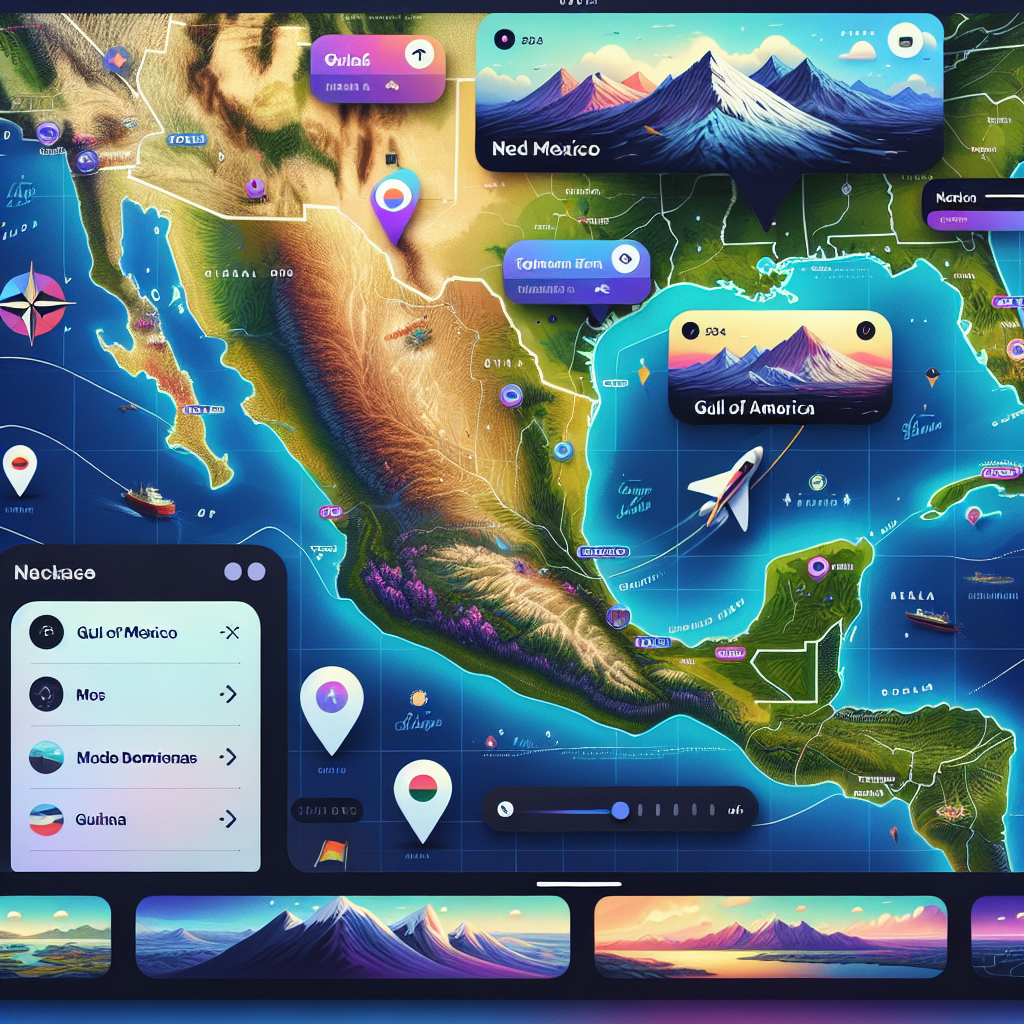
Apple Maps Plans to Show ‘Gulf of America’: What This Means for Digital Cartography
In the interconnected world of today, every change made in digital technology can send ripples across the globe. When Apple Maps recently announced plans to rename a body of water as the ‘Gulf of America’, following a similar move by Google, discussions surrounding digital cartography, national identity, and technological influence resurfaced. Why does a change in map nomenclature matter so much? More importantly, what are the implications of such changes for users and nations alike?
This article unpacks Apple Maps’ decision, comparing it with Google’s earlier steps and delving into the potential effects on users, geopolitical relations, and digital mapping advancements.
Digital Cartography and Its Impact
The field of digital cartography has revolutionized how we perceive geographical boundaries. Maps were and continue to be, powerful tools that define territorial significance, influence navigation practices, and reflect cultural sentiments.
The Rise of Digital Maps
Digital mapping services like Apple Maps and Google Maps have become indispensable tools in modern-day navigation, urban planning, and even international diplomacy. Here are a few reasons why their impact is profound:
- Accessibility: Digital maps are readily available on smartphones and computers.
- Real-Time Updates: Unlike traditional paper maps, digital versions can be updated instantly.
- User Interaction: Users can contribute to map information through reviews, suggestions, and corrections.
Significance of Naming Features on Maps
Names on digital maps do more than label geographical features; they encapsulate history, culture, and national identity.
- Cultural Identity: Names reflect cultural affiliations and historical anecdotes.
- Diplomatic Influence: Naming or renaming places can indicate shifts in diplomatic stances.
- User Perception: Users’ understanding and perception of a region can be influenced by map nomenclature.
The Background Story: ‘Gulf of America’
Before diving into Apple Maps’ decision, it’s helpful to understand the background and implications of naming this particular body of water.
Historical Context
Traditionally, the body of water in question has been recognized internationally with a different name. However, both national sentiments and cartographic trends have motivated certain entities to seek changes.
Google’s Precedent
Before Apple Maps, Google had taken the initiative to rename the area as the ‘Gulf of America’. Several reasons precipitated this change:
- User Data and Trends: Analysis of search data and user preferences.
- Geopolitical Dynamics: National interests and lobbying efforts contributed to Google’s decision.
The result? An immediate conversation starter about digital maps’ roles in international arenas.
Apple Maps Decision: Influence and Reactions
What Prompted Apple’s Move?
A myriad of factors influenced Apple’s choice to follow Google’s lead, including competitive strategy, brand alignment, and user engagement.
- Competitive Strategy: Enhancing map accuracy and relevance as part of market competition.
- Technological Evolution: Using advanced algorithms to better serve user demands and preferences.
- Market Pressure: Responding to partner nations’ preferences and expectations.
Global and User Reactions
The renaming move sparked varied reactions. While some praised Apple for staying current, others criticized the decision as politically motivated or culturally insensitive.
- Positive Reactions: Supporters argue that the move aligns with evolving conventions and user demands.
- Critiques and Backlash: Critics express concerns over the oversimplification of historical nomenclature and catering to nationalist tendencies.
Users actively seeking directions, updates, or reviews are more likely to come across these changes, impacting usability and experience.
Implications for Users and Stakeholders
For Everyday Users
For the average user, map changes might seem subtle but have noticeable effects on navigation and engagement.
- Impact on Navigation: Names do affect route searchability and result accuracy.
- User Experience: Familiarity with traditional names vs. new designations can influence user satisfaction.
For National and International Bodies
Both national governments and international organizations have vested interests in how maps represent their territories.
- National Identity: Governments often view map nomenclature as an extension of national sovereignty.
- Diplomatic Relations: International reactions can range from cooperative adjustments to tense negotiations.
For Tech Companies
Apple and peer mapping services must consider business implications too, given that digital maps are a critical component of their ecosystem.
- Partnership and Trust: Building reliable partnerships with governmental bodies is key.
- Technological Advancements: Developing better algorithms for incorporating complex geopolitical data becomes necessary.
The Road Ahead: Future of Digital Cartography
Challenges and Opportunities
As digital cartography continues to evolve, the industry faces several challenges and opportunities:
- Balancing Accuracy and Sensitivity: Companies must balance precise geographical data with cultural sensitivity.
- User Participation: Encouraging user participation in map modifications while maintaining data integrity.
The Role of Emerging Technologies
Technological advancements, particularly AI and machine learning, could play a significant role in shaping the future of digital maps.
- Predictive Analysis: Leveraging AI to predict and incorporate naming trends.
- Enhanced User Engagement: Utilizing machine learning to enhance personalized map experiences.
Conclusion
The decision by Apple Maps to name a geographical feature as the ‘Gulf of America’ following Google showcases the significant influence digital map providers hold in today’s society. As cartographic evolution continues, balancing technological innovation with cultural and geopolitical sensitivities will be pivotal.
How will these map changes shape the landscapes of global interactions and user experience? Only time will unravel the full extent of this digital-age cartographic revolution. Stay tuned for further updates as technology continues to map new territories in both the literal and figurative sense!