
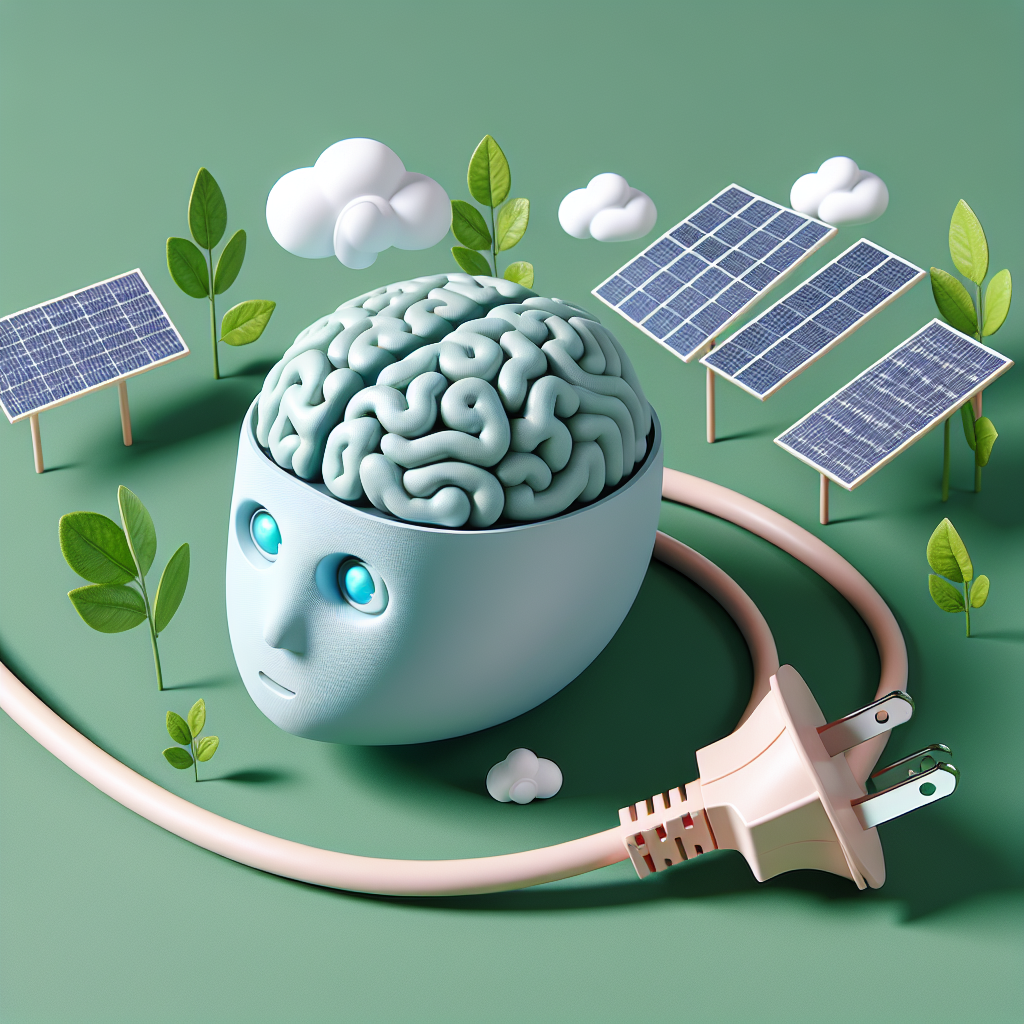
ChatGPT: Renewable Energy Revolution or Power-Hungry Dilemma?
The rise of artificial intelligence (AI) systems capable of understanding and generating human-like text, such as ChatGPT, has captivated businesses, developers, and users worldwide. However, as these models become increasingly integrated into our daily lives, we face a pressing question: Is ChatGPT as power-hungry as we once assumed? This article explores the energy consumption of ChatGPT, debunks some long-held beliefs, and discusses the potential for a more sustainable AI future.
Understanding AI and Energy Consumption
Artificial intelligence, particularly deep learning models like ChatGPT, has often been tagged as a “power-hungry monster” due to its complex computations and data processing requirements. But what lies beneath this assumption?
AI Models and Their Energy Needs
AI models, such as ChatGPT, require significant computational resources for training. Training involves processing vast datasets and fine-tuning models to understand and generate language accurately. This process typically demands:
- High-performance GPUs: Used to accelerate computation.
- Massive Data Centers: Where these models are hosted and maintained.
- Continuous Power Supply: Essential for 24/7 operations.
The Evolution of AI Efficiency
As technology progresses, we are witnessing the evolution of AI that is more efficient both in terms of speed and energy consumption. Recent studies suggest that AI models like ChatGPT have evolved significantly, optimizing energy consumption through:
- Efficient Algorithms: Developed to reduce processing time and energy usage.
- Hardware Innovation: Advancements in hardware leading to more energy-efficient GPUs and TPUs.
- Smart Distribution: Better utilization of cloud-based infrastructure to minimize energy wastage.
Debunking the Power-Hog Myth
With assumptions lingering around AI’s energy demands, it’s crucial to separate fact from fiction and analyze the real impact of AI systems like ChatGPT on energy consumption.
Energy Comparisons with Other Technologies
When considering the energy usage of AI, it’s vital to compare it with other technologies to gain perspective:
- Traditional Data Centers: Modern AI often uses less energy due to optimized processes.
- Consumer Electronics: Everyday gadgets including smartphones and TVs contribute significantly to energy usage compared to AI.
The Renewables’ Role in AI Development
A sustainable future is not solely dependent on AI becoming energy-efficient; it also requires leveraging renewable energy sources. Efforts are being made to mitigate the impact of AI through renewable energy initiatives:
- Tech Giants’ Pledge: Companies like Google and Microsoft are aiming to power their AI operations with 100% renewable energy.
- Data Centers on Renewables: Advances in wind and solar farms aim to power data centers efficiently without straining the environment.
The Future of AI and Sustainable Development
Incorporating sustainability in AI is not just about reducing numbers on an electricity bill. It’s about smart ecosystems where technology works hand-in-hand with ecological balance.
AI’s Role in Energy Optimization
AI models are increasingly being used to optimize energy consumption across various sectors, which might seem ironic but demonstrates AI’s potential to contribute to a greener future:
- Smart Grid Management: AI systems are revolutionizing how electricity is distributed, minimizing waste and enhancing efficiency.
- Building Automation: AI-driven solutions in smart homes and cities help in reducing unnecessary energy use.
Potential Innovations for the AI Industry
The AI industry is ripe for innovations aimed at reducing the ecological footprint:
- Quantum Computing: Promising to deliver high performance with minimal energy.
- Neuromorphic Computing: Mimicking the human brain to perform complex tasks with lower energy needs.
Why Businesses Should Care about AI Sustainability
For businesses leveraging AI tools like ChatGPT, understanding and applying sustainable practices is not just about cutting costs but encompasses reputation, responsibility, and readiness for future regulations.
Building a Company Culture around Eco-Friendly Tech
Companies can lead by example by incorporating sustainability into their tech usage:
- Corporate Responsibility: Meet consumer expectations for sustainable practices.
- Enhanced Image and Trust: Consumers are more likely to support brands that prioritize sustainability.
Conclusion: The Road Ahead for AI and Energy Efficiency
ChatGPT and similar AI models offer powerful capabilities that defy our prior conceptions of energy inefficiency. By innovating and incorporating renewables, we’re setting the stage for a balanced, symbiotic relationship between AI technology and sustainability. As users, developers, and business leaders, it’s imperative to push the dialogue and innovation forward, ensuring that AI becomes a beacon for both technological and ecological advancement.
This article underscores that while AI has significant power requirements, it’s not the beast we once assumed it to be. Instead, it’s a tool for a sustainable, energy-efficient future that aligns with the needs of our planet. As technology continues to evolve, so does the potential for achieving harmony between AI capabilities and environmental stewardship.