
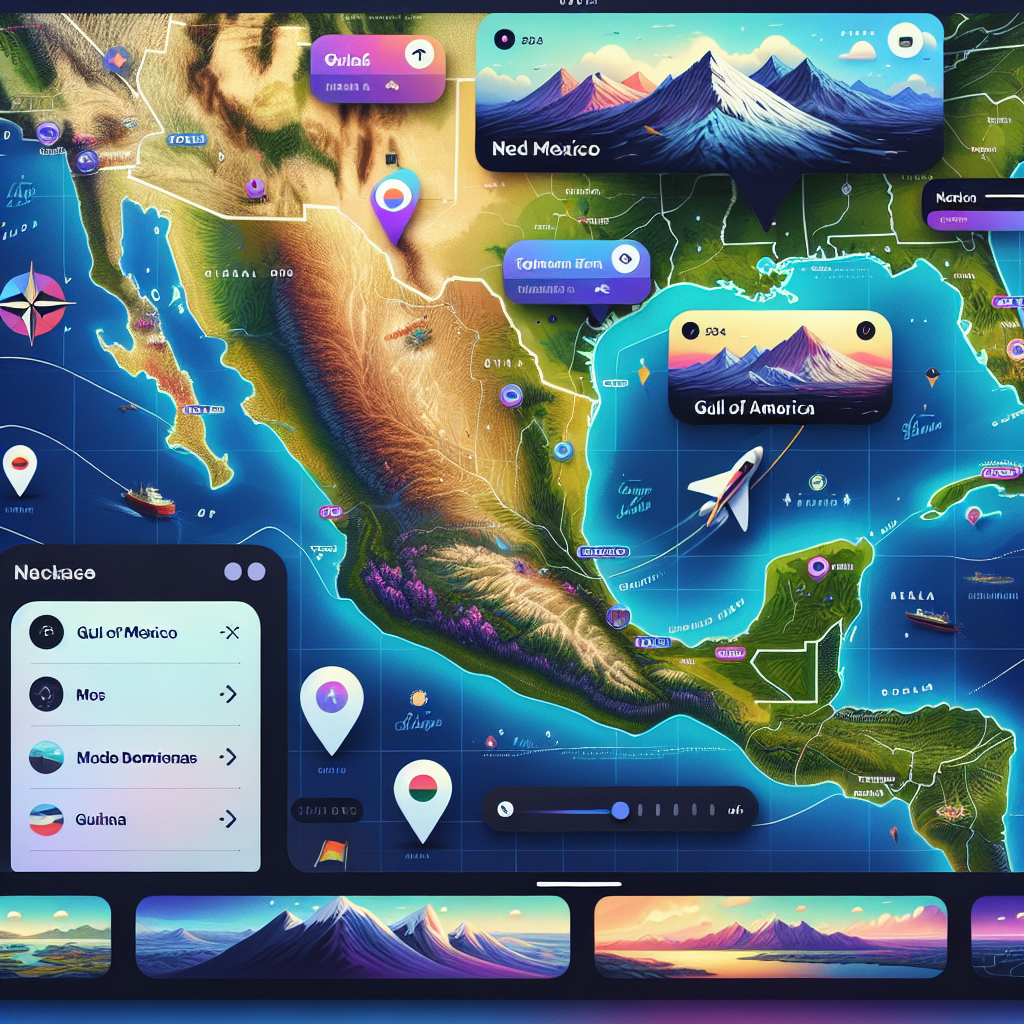
Apple Maps to Feature the ‘Gulf of America’: A Move Following Google’s Bold Step
In recent months, tech giants have been under the microscope for how they label and represent geographical locations on their platforms. A new development is emerging in the digital cartography world as Apple Maps plans to label a region of the Gulf of Mexico as the "Gulf of America." This decision follows a similar move made by Google Maps, sparking discussions and debates worldwide. In this article, we will delve into the implications of such changes, the potential motivations behind these decisions, and what it means for everyday users.
Understanding the Decision
What is the ‘Gulf of America’?
The Gulf of America is not officially recognized as a geographical term in international or domestic settings. The Gulf of Mexico, a large ocean basin bordering the southeastern United States, eastern Mexico, and parts of the Caribbean, has traditionally been called just that. The term "Gulf of America" appears to be an appellation that tech companies are exploring, potentially for political or economic reasons.
Reasons Behind Apple and Google’s Decisions
-
Political Motivations: Naming conventions can often reflect political stances or align with national agendas. It might be a way to assert certain territorial claims or perceptions.
-
User Influence: With millions of users, tech companies sometimes modify map details based on popular demand or regional preferences.
-
Marketing Strategies: Changing the terminology might attract interest, sparking curiosity or increasing engagement within the app.
- Tech Collateral: Following Google’s decision, Apple might want to maintain consistency in tech offerings, minimizing user confusion when switching between platforms.
Implications for Daily Users
-
Navigation and Search Query Adjustments: Users might need to adjust their search queries to reflect new terminologies for local businesses or amenities near the Gulf.
-
Tourism Impact: It could influence how tourists perceive the region, potentially affecting tourism industries in states like Florida, Texas, and Louisiana.
- Cultural Sensitivity: There exists a risk of offending groups for whom geographic names are significant culturally or historically.
The Evolution of Online Mapping
The Powerful Role of Big Tech
Apple and Google have turned into modern cartographers, with platforms that guide millions every day. Their decision-making in labeling regions can hold substantial sway over public perception.
-
Data Influence: These platforms are data-rich, using user behaviors to drive decisions that are expected to benefit the wider community.
- Market Impact: Changes in map data can affect local economies, real estate values, and even political discourse.
Historical Context of Mapping
Historically, maps were tools of discovery and claims. The shift in naming conventions by Apple and Google exemplifies the evolving role of cartography in the digital age.
Potential Reactions from Stakeholders
Government Entities
-
American States: Could endorse such a naming convention if it aligns with state goals or provides economic benefits.
- International Bodies: May regard the change as controversial, potentially opening the floor for diplomatic conversations.
Public Opinion
-
Supporters: Some might support the change, seeing it as a reflection of American influence or a nod to regional culture.
- Critics: Others might view it as unnecessary, or as a digital-age echo of historical imperialism.
Navigating the Impact
What Can Users Do?
For users, understanding these shifts involves adapting to the changes—albeit minimal—such as:
-
Adapting Technology Use: Adjust navigation terms or familiarize oneself with map settings to use these platforms effectively.
-
Feedback Mechanisms: Utilize features within apps like Google or Apple user forums to provide feedback or express concerns about such changes.
- Stay Informed: Keep up-to-date with tech news to fully grasp the evolution of software and its ramifications.
For Businesses
-
Adapt Your Listings: Businesses should ensure their online presence reflects these shifts to avoid confusion among consumers using digital maps.
- Market Strategically: Utilize the map changes to create marketing campaigns that capitalizes on new terminologies and potential increased interest.
Future of Map Customization
The decision by Apple Maps to adopt the ‘Gulf of America’ terminology sets the stage for possibly more personalized map experiences in the future.
Custom User Maps
-
Custom Labels: This could lead to an increased ability for users to personalize their maps, selecting regional terminology that resonates with them personally.
- Tourism Features: Enhanced features displaying tourist attractions or historical information related to controversial areas, making maps more informative.
Conclusion
Apple Map’s decision to label a part of the Gulf of Mexico as the "Gulf of America" is a fascinating development in the landscape of digital mapping. While some view this as a simple adjustment, the implications are wide-ranging. Whether for political motives, user demand, or strategic marketing, understanding these changes is crucial for users and stakeholders alike. As geographic naming conventions continue to evolve, the debate around digital cartography will likely grow more complex, depicting the intersection between technology, politics, and culture.
By staying engaged and informed, users can navigate these changes effectively, ensuring that they leverage technology to better understand the world around them. The story of the ‘Gulf of America’ is yet another chapter in the dense and evolving narrative of our digital world.