
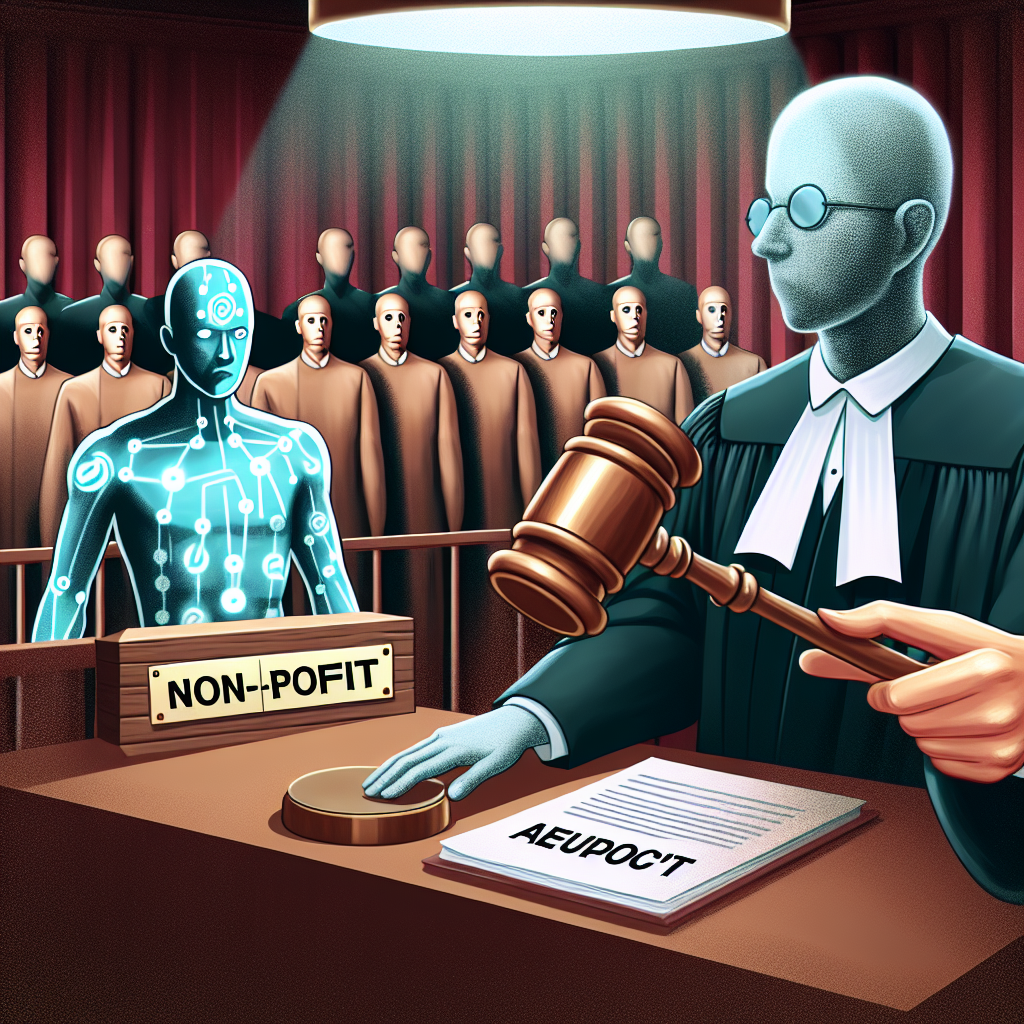
Judge Rejects Musk’s Attempt to Block OpenAI’s For-Profit Transition: What It Means for AI and Tech Ethics
Artificial Intelligence (AI) is an ever-evolving field that touches every aspect of modern life, and its ethical implications are taking center stage. Recently, a pivotal decision was made in a court ruling where a judge rejected Elon Musk’s attempt to block OpenAI’s transition to a for-profit model. This case is significant not merely for the legal and financial stakes but also for what it suggests about the future of AI and its ethical considerations. This article will dissect every facet of the case and its ripple effects on the tech community and ethics in AI.
Understanding the Background: OpenAI, Musk, and the For-Profit Transition
What is OpenAI?
OpenAI was founded in December 2015 as a non-profit AI research organization with a mission to ensure that artificial general intelligence (AGI) benefits all of humanity. Their endeavors include developing advanced AI models such as GPT-3 and DALL-E. The foundation under OpenAI’s birth was to operate ethically and transparently, sharing research with the public to promote responsible AI development.
Elon Musk’s Role and Concerns
Elon Musk, a co-founder and pivotal early supporter, has played an intricate role in OpenAI’s history. Musk has long been a vocal advocate for safe AI development, cautioning against potential threats unregulated AI might pose to humanity. His interest in OpenAI was driven by these concerns, making the organization a key player in ensuring AI serves public and ethical interests.
The Transition to For-Profit: Why the Change?
In 2019, OpenAI announced a shift to a "capped-profit" model under a new entity, OpenAI LP. The change aimed to allow OpenAI to attract more significant investments, essential for competing with AI giants like Google and Facebook. This model limits investor returns while still aligning with their mission, but it sparked debates around maintaining ethical AI standards.
The Legal Battle: Musk’s Attempt to Block the For-Profit Transition
The Courtroom Drama
Elon Musk’s legal move to block the transition was fueled by his concerns that a for-profit model might compromise OpenAI’s founding mission of safe, widely beneficial AI. However, the court rejected Musk’s claims, stating that OpenAI’s new structure maintains commitments to its founding goals through transparency and grant limitations.
Judge’s Decision: Key Takeaways
- Commitment Maintenance: The ruling recognized OpenAI’s documentation in maintaining its founding commitments despite the structural changes.
- Addressing Ethical Concerns: The decision highlights the importance of regulatory frameworks in ensuring that technological advancements do not sideline ethical considerations.
- Recognition of Innovative Models: The court acknowledged the innovation behind the "capped-profit" model, suggesting that it helps balance investment incentives with ethical obligations.
Implications: What This Means for AI and Tech Ethics
Ethical AI Development
The case sets a precedent in the discussion of ethical AI development. Maintaining a balance between technological advancement and ethical responsibility is complex, but necessary. This ruling underscores the importance of creating operational structures that enhance AI capabilities while prioritizing ethical concerns.
Investment vs. Ethics: Walking the Tightrope
The ideal balance between securing investment and maintaining ethical practices is a needle that must always be thread carefully. OpenAI’s situation highlights the growing need for models that exemplify ethical investments, fostering an environment where tech giants can operate without undermining ethical considerations.
The Future of AI Policies
- Regulatory Frameworks: Enhanced legal frameworks might emerge, encouraging other AI entities to consider similar structures to promote ethical AI.
- Transparency in AI Development: Maintaining transparency can ensure trust and continued public interest, which is as vital as technological progress itself.
Conclusion: Paving the Way Forward for Ethical AI
The rejection of Musk’s legal challenge against OpenAI’s for-profit transition marks a critical moment in the AI ethics conversation. As AI becomes ever more embedded in our daily lives, the need for structures that strike a balance between innovation and ethical integrity will become increasingly essential. OpenAI’s situation serves as a case study for similar organizations grappling with growth and ethical responsibility, making this a transformative moment with far-reaching impacts on the AI industry and its regulatory landscape.
It is crucial for other AI companies and stakeholders to glean insights from this case, ensuring the world of AI continues evolving with a commitment to benefiting humanity on a broad scale while navigating the nuances of ethical responsibility.
If you’re keen on more insights about tech and AI updates, stay tuned and subscribe to our updates. Let’s embark on this fascinating journey toward an ethically sound tech-driven world.